Golden Temple: Why It’s One of the Most Peaceful Places in India
The first impression of visiting the Golden Temple is not just visual—it is emotional. As you step closer, the noise of the city slowly fades, replaced by the soft rhythm of devotional music and the gentle movement of people walking barefoot in quiet respect.
The golden reflection shimmering on the sacred water instantly slows your thoughts, making even first-time visitors feel grounded. It is one of those rare places where peace does not need to be explained—it is felt.
Travelers, pilgrims, and spiritual seekers from across the world often describe the golden temple as “peaceful,” but the word barely captures the depth of the experience. Peace here is not silence; it is harmony.
Thousands of people move together—different languages, cultures, and beliefs—yet the atmosphere remains calm and welcoming. There is no pressure to follow a ritual or belong to a faith. The peace comes from acceptance, equality, and the shared human experience of stillness.
The emotional and spiritual pull of the Golden Temple is powerful, even for those who do not consider themselves religious. Sitting beside the Amrit Sarovar (the holy pool), many visitors describe a sense of clarity they did not expect.
Worries feel lighter, time feels slower, and the mind feels unusually present. This is why people return—not just once, but again and again—seeking the calm they felt during their first visit.
This sacred space is located in Amritsar, a historic city in Punjab that blends devotion, resilience, and vibrant culture. Amritsar itself is energetic and lively, yet at its heart stands the Golden Temple, acting as a spiritual anchor for the city. No matter how busy the streets outside are, crossing into the temple complex feels like entering a different world—one built on humility and service.
We will explore its rich history and how it became one of the most important spiritual centers in the world. You will learn about its deep spiritual meaning, the symbolism behind its architecture, and the values it represents.
We will also look at its cultural impact on Sikhism and Indian society, as well as what visitors can expect—from daily rituals to the unforgettable langar experience.
Whether you are planning a visit or simply seeking to understand why this place touches so many hearts, this guide will help you see why the Golden Temple which is one of the most peaceful temple is more than a monument—it is a living experience of peace.
What Is the Golden Temple?
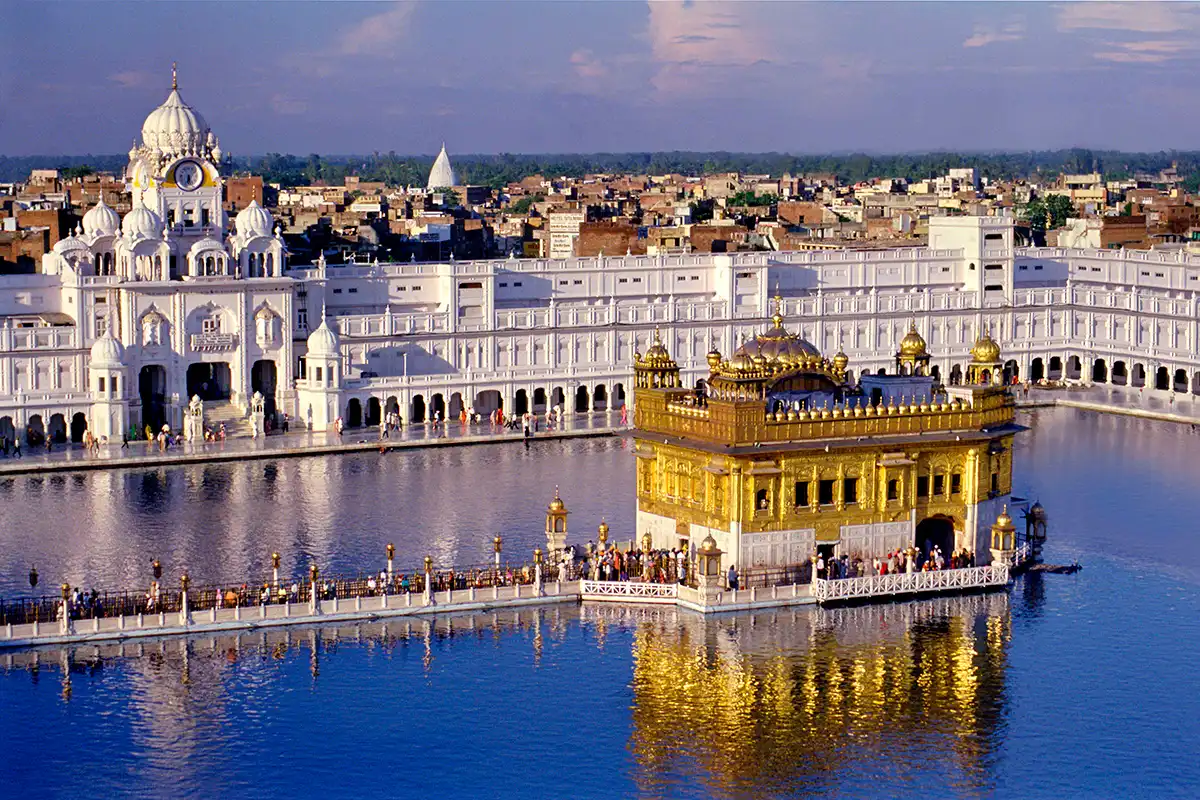
The golden temple is officially known as Harmandir Sahib, which means “Abode of God.” This name reflects the Sikh belief that the divine is accessible to everyone, everywhere, without barriers. Unlike many religious structures that emphasize grandeur or separation, Harmandir Sahib was designed to symbolize humility.
Its lower elevation compared to the surrounding complex represents the idea that spirituality begins with lowering one’s ego. While the world commonly refers to it as the golden temple, its true identity is deeply rooted in Sikh philosophy and values.
Meaning of “Golden Temple”
The name golden temple comes from the temple’s upper structure, which is covered in real gold plating. This golden exterior is not meant to display wealth or power but to symbolize purity, divine light, and spiritual richness.
When sunlight reflects off the gold and dances across the sacred water below, it creates a powerful visual metaphor—inner illumination reflected outward. Over time, travelers and visitors began calling it the golden temple, and the name became universally recognized, even beyond India.
Location in Amritsar, Punjab
The golden temple is located in Amritsar, a major city in the Indian state of Punjab. Amritsar translates to “Pool of Nectar,” named after the sacred water body—Amrit Sarovar—that surrounds the temple.
The city grew around this spiritual center, making the golden temple both the heart of Amritsar and the soul of Sikhism. Its central location makes it easily accessible, yet stepping inside the complex feels like entering a calm sanctuary away from urban chaos.
Why It Is Sacred in Sikhism
For Sikhs, the golden temple is the holiest shrine. It houses the Guru Granth Sahib, the central religious scripture of Sikhism, which is treated as a living Guru. Daily prayers, hymns (kirtan), and rituals revolve around respect for this sacred text. The temple represents the core Sikh principles of devotion, equality, humility, and selfless service. Visiting the golden temple is not just a pilgrimage—it is a spiritual practice.
Why the Golden Temple Is Open to All Religions
One of the most powerful aspects of the golden temple is that it is open to people of all religions, castes, genders, and nationalities. There are four entrances, symbolizing openness from all directions.
No conversion is required, no questions are asked. This inclusivity reflects Sikhism’s belief in universal equality and shared humanity. Whether you come as a believer, a traveler, or a seeker, the golden temple welcomes everyone with the same respect and warmth.
History of the Golden Temple
The history of the golden temple begins in the late 16th century, rooted deeply in the spiritual vision of the Sikh Gurus. The foundation of the sacred site was laid by Guru Ram Das, the fourth Sikh Guru, who established the city of Amritsar around a man-made pool that would later be known as the Amrit Sarovar.
His vision was to create a spiritual center that was open, inclusive, and grounded in humility rather than power.
The actual construction of the shrine was completed under Guru Arjan Dev, the fifth Sikh Guru. He designed the structure in a way that was radically different from traditional religious buildings of that time. Instead of being elevated, the golden temple was built at a lower level, symbolizing equality and the idea that one must step down—physically and spiritually—to reach the divine. Guru Arjan Dev also installed the Adi Granth (later known as the Guru Granth Sahib) inside the temple, making it the central focus of worship.
An important moment in the early history of the golden temple was the decision to have its foundation stone laid by a Muslim saint, Mian Mir. This act strongly reinforced Sikh values of interfaith harmony and inclusiveness, values that continue to define the temple today. From its earliest days, the shrine was not just a place of worship, but a symbol of unity.
The Golden Temple Through the Centuries
As Sikhism grew, the golden temple became both a spiritual and cultural center—but it also faced repeated challenges. During the Mughal period, Sikhs experienced persecution, and the temple was attacked and damaged multiple times. Despite these hardships, the community continuously rebuilt and protected the shrine, demonstrating remarkable resilience.
In the 18th century, the golden temple was rebuilt under the leadership of Sikh misls (confederacies). Later, Maharaja Ranjit Singh played a crucial role in shaping its present identity. It was during his reign in the early 19th century that the upper floors of the shrine were covered with gold, giving rise to the popular name golden temple. This gold plating was not merely decorative; it represented devotion, gratitude, and reverence.
Throughout invasions, political turmoil, and colonial rule, the golden temple remained a unifying force for Sikhs. Every act of destruction was followed by reconstruction, reinforcing the idea that faith and community are stronger than adversity.
Modern History and Preservation
In modern times, the golden temple has become one of the most visited spiritual sites in the world. Significant restoration and preservation efforts have been undertaken to maintain its structure, artwork, and spiritual atmosphere. The gold plating has been carefully preserved and renewed over time, ensuring that the shrine continues to shine both physically and symbolically.
Technological advancements have also played a role in protecting the golden temple. Conservation methods are used to safeguard its marble inlay work, frescoes, and sacred water body. At the same time, care is taken to ensure that modernization does not disturb the spiritual experience of visitors.
Today, the golden temple is recognized globally not only as the holiest site of Sikhism but also as a powerful symbol of peace, service, and equality. Millions of people visit each year, drawn by its history, its values, and its welcoming spirit. Despite centuries of change, the golden temple remains true to the vision of its founders—a place where devotion, resilience, and humanity come together.
Spiritual Significance of the Golden Temple
The golden temple is not only the physical heart of Sikhism but also the clearest expression of its spiritual philosophy. Every element of the shrine reflects core Sikh beliefs—faith in one universal God, devotion through remembrance, and living a truthful life. Unlike religious spaces that emphasize hierarchy, the golden temple represents direct access to the divine. There are no intermediaries between the individual and God, reinforcing the Sikh belief that spirituality is personal, experiential, and open to all.
The central presence of the Guru Granth Sahib inside the golden temple highlights another foundational belief: the Guru as eternal wisdom rather than a human figure. The scripture is treated with the highest reverence, reminding devotees that guidance comes from divine knowledge and ethical living.
Equality, Humility, and Service
Equality lies at the very foundation of the golden temple. Its four entrances symbolize openness from all directions, welcoming people regardless of religion, caste, gender, or social status. This design is a direct reflection of Sikh teachings that reject discrimination and promote universal brotherhood.
Humility is equally central. Visitors must walk downwards to enter the golden temple, a symbolic reminder to leave ego behind. Covering the head, removing shoes, and washing the feet are not rituals of control but acts of respect and self-awareness.
Service, or Seva, is lived rather than preached. The world-famous langar, which operates within the temple complex, feeds thousands of people every day for free. Volunteers from all backgrounds cook, clean, and serve meals together. This practice transforms the golden temple into a living lesson in compassion, where service to humanity is considered service to God.
The Concept of “Naam Simran”
At the spiritual core of the golden temple is the practice of Naam Simran, which means remembrance of God’s name. This is not limited to chanting but extends to mindful living and inner awareness. Continuous kirtan (devotional music) fills the air, creating an atmosphere that gently draws the mind inward.
Within the golden temple, Naam Simran becomes a shared experience. The rhythm of hymns, the reflections in the water, and the collective stillness help visitors disconnect from external distractions. This practice reinforces the Sikh belief that spiritual growth comes through remembrance, humility, and righteous action.
Why People Feel Inner Peace at the Golden Temple
Many visitors describe a profound sense of calm at the golden temple, even if they arrive with no spiritual expectations. This inner peace arises from a combination of factors—the welcoming environment, the absence of judgment, and the emphasis on equality. There is no pressure to perform rituals or prove devotion.
The balance between sound and silence, movement and stillness, creates a meditative rhythm. Sitting beside the sacred pool, listening to hymns echo across the water, people often experience clarity and emotional release. The golden temple offers peace not by demanding belief, but by offering presence.
Ultimately, the golden temple stands as a spiritual sanctuary where values are practiced daily, making inner peace accessible to anyone who enters with an open heart.
Architecture of the Golden Temple: Beauty with Purpose
Design and Symbolism
The architecture of the golden temple is a powerful blend of beauty and meaning, where every design choice carries spiritual symbolism. One of the most striking features is the presence of four entrances, each opening in a different direction. These entrances are not merely architectural elements; they represent openness and equality, reinforcing the Sikh belief that all people are welcome, regardless of background or belief. This inclusive design makes the golden temple feel accessible rather than imposing.
At the center of the complex lies the Amrit Sarovar, the sacred pool that surrounds the shrine. The reflection of the golden temple in its calm waters is one of the most iconic sights in the world. Symbolically, this reflection represents inner self-awareness—just as the temple reflects in the water, devotees are encouraged to reflect inwardly. The water also serves as a visual boundary between the material world and the spiritual space, helping visitors mentally prepare for devotion.
Gold Dome and Marble Work
The most recognizable element of the golden temple is its shimmering gold-covered dome and upper structure. Gold was used not to signify luxury, but to represent purity, devotion, and the eternal nature of spiritual truth. The use of gold also ensures durability, protecting the shrine while maintaining its radiant appearance. Over time, the gold plating became one of the defining characteristics of the golden temple, giving it global recognition.
In contrast to the gold above, the lower levels of the golden temple are built primarily from white marble. This contrast between gold and marble reflects the balance between spiritual aspiration and humility. The marble surfaces are adorned with delicate inlay work, floral patterns, and symbolic motifs drawn from nature. These artistic details are not overwhelming; instead, they create a calming visual rhythm that complements the temple’s peaceful atmosphere.
Harmony of Styles
One of the most remarkable aspects of the golden temple is the harmony of architectural styles woven into its design. Influences from Islamic, Hindu, and Sikh architecture come together seamlessly, reflecting the inclusive philosophy of Sikhism itself.
Islamic elements can be seen in the arches and dome shapes, while Hindu influences appear in decorative motifs and chhatris. Sikh architectural principles unify these styles through simplicity, balance, and spiritual intent.
This blending of styles ensures that the golden temple does not belong to a single artistic tradition—it belongs to humanity. The structure communicates unity without words, reminding visitors that faiths can coexist without conflict. The architectural harmony mirrors the social harmony practiced within the temple complex, especially in the langar and daily rituals.
Ultimately, the architecture of the golden temple proves that beauty and purpose can exist together. Every reflection, entrance, and artistic detail serves a deeper message: spirituality is not about grandeur alone, but about openness, balance, and connection.
The Golden Temple and the Amrit Sarovar
The golden temple is inseparable from the Amrit Sarovar, the sacred water body that surrounds it. The name Amrit Sarovar translates to “Pool of Nectar,” symbolizing immortality, spiritual renewal, and divine grace. From the earliest days of its creation, this water body was intended to be more than an architectural feature. It represents the cleansing of the mind and soul, aligning perfectly with the spiritual purpose of the golden temple.
The placement of the shrine at the center of the pool emphasizes balance—between the inner self and the outer world. As visitors approach the golden temple, they must cross the causeway over the water, a symbolic transition from everyday life into a sacred space.
Ritual Bathing and Belief
Many visitors choose to bathe in the Amrit Sarovar as an act of devotion. This ritual bathing is not believed to magically remove sins, but rather to inspire spiritual discipline and humility. Within Sikh philosophy, the water encourages self-reflection and renewed commitment to ethical living. For pilgrims, bathing before entering the golden temple is a deeply personal experience, often accompanied by prayer and quiet contemplation.
Importantly, the Amrit Sarovar is open to everyone. Just like the golden temple, no distinction is made based on religion or background. This openness reinforces the Sikh belief that spiritual purity comes from intention and action, not from status or identity.
Visual and Spiritual Impact
Visually, the Amrit Sarovar enhances the serene beauty of the golden temple. The still water reflects the gold-covered shrine, changing shades with the time of day—soft and meditative at dawn, radiant at midday, and deeply calming at night. These reflections create a natural meditative environment that draws visitors into silence, even amidst large crowds.
Spiritually, the presence of water brings a sense of grounding. Sitting beside the pool, many people experience a feeling of clarity and emotional release. The combination of flowing hymns, open skies, and water movement amplifies the peaceful energy of the golden temple.
Connection Between Water and Peace at the Golden Temple
Water has long symbolized peace and life across cultures, and at the golden temple, this symbolism becomes lived experience. The Amrit Sarovar acts as a calming force, slowing movement and encouraging mindfulness.
The gentle connection between water, reflection, and devotion explains why so many visitors describe their time at the golden temple as deeply peaceful.
Together, the shrine and the sacred pool create a unified spiritual space—one where stillness, reflection, and inner peace naturally emerge.
Langar at the Golden Temple: The World’s Largest Free Kitchen
What Is Langar?
Langar is the free community kitchen that operates at the golden temple, and it is one of the most powerful expressions of Sikh values in action. The concept of Langar was introduced by Guru Nanak Dev Ji to ensure that no one goes hungry and that all people are treated equally. At the golden temple, Langar is not a charity—it is a shared meal, where everyone eats together as equals.
Regardless of religion, caste, gender, nationality, or economic status, anyone can sit down and eat at the golden temple Langar. There are no special sections, no VIP treatment, and no distinctions. This simple act of sitting on the floor and sharing food removes social barriers in a way few other practices can.
Daily Operations and Scale
The scale of Langar at the golden temple is unmatched anywhere in the world. Every single day, tens of thousands of people are served fresh, simple, vegetarian meals. On weekends and religious occasions, that number can rise to over a hundred thousand. The kitchen runs almost continuously, from early morning until late at night, without interruption.
What makes this even more remarkable is that the Langar operates entirely on donations and volunteer effort. Huge quantities of vegetables, flour, lentils, and spices are prepared daily. Despite the massive scale, the food remains simple and nourishing—reflecting the belief that humility and service matter more than luxury. The efficiency of the golden temple Langar is often studied as a model of large-scale community service.
Volunteers and Seva
At the heart of Langar is Seva, or selfless service. Volunteers from all walks of life—students, professionals, elders, and even first-time visitors—participate in cooking, serving, cleaning, and washing utensils. No task is considered small or unimportant. Inside the golden temple complex, Seva is a spiritual practice, not just volunteer work.
What makes Seva special is intention. Volunteers serve not for recognition, but out of devotion and compassion. This shared effort creates a sense of unity and belonging, making the golden temple Langar a deeply human experience as much as a spiritual one.
Why Langar Defines the Spirit of the Golden Temple
Langar perfectly reflects the core teachings of Sikhism—equality, humility, and service. While the golden temple inspires through its beauty and spirituality, Langar brings those values into daily life. It shows that spirituality is not limited to prayer halls, but lives in action and service.
For many visitors, participating in Langar leaves a stronger impression than any ritual. Eating together, being served with respect, and witnessing strangers treated as family helps people understand what the golden temple truly stands for.
Equality in Practice
Langar is equality in its purest form. At the golden temple, everyone sits in the same rows, eats the same food, and is served with the same care. There are no titles, no status symbols—only shared humanity.
This is why Langar is more than a kitchen. It is the living soul of the golden temple, reminding the world that peace, dignity, and equality begin with simple acts of kindness.
Daily Rituals and Atmosphere Inside the Golden Temple
Life inside the golden temple follows a gentle spiritual rhythm shaped by daily prayers. Each day begins before sunrise with Amrit Vela, the early morning prayer when the Guru Granth Sahib is respectfully brought to the sanctum. The atmosphere at this hour is calm and deeply meditative, with soft light reflecting off the water and marble. In the evening, prayers mark the closing of the day, as the scripture is ceremonially carried to its resting place. These rituals are not elaborate displays; instead, they emphasize devotion, discipline, and humility—values at the core of the golden temple.
Kirtan and Gurbani
Throughout the day, the golden temple resonates with kirtan, the singing of hymns from the Guru Granth Sahib, known as Gurbani. These hymns are sung in classical ragas, designed to guide emotions toward calmness and reflection. Even visitors unfamiliar with the language often find the music soothing.
The purpose of kirtan is not performance, but remembrance—helping the mind stay connected to the divine.
This continuous flow of Gurbani gives the golden temple a living spiritual presence. The music gently fills the space without overwhelming it, creating a balance between sound and silence.
The Soundscape of the Golden Temple
The soundscape of the Golden Temple is unique. Alongside devotional music, you hear the soft movement of water, footsteps on marble, and moments of shared stillness. These sounds blend naturally, forming an environment that feels both alive and peaceful. Unlike places that demand silence, the Golden Temple allows sound to exist without chaos.
This carefully balanced soundscape helps visitors slow down. Even in crowds, the atmosphere remains composed, allowing individuals to experience personal moments of reflection within a shared space.
Why Silence Feels Powerful Here
Silence at the Golden Temple is not enforced—it emerges naturally. Between hymns, conversations fade, movements soften, and a collective stillness settles in. This silence feels powerful because it is voluntary and shared. People instinctively lower their voices, guided by respect rather than rules.
Many visitors describe this silence as comforting rather than empty. It creates space for inner reflection, making emotions feel clearer and thoughts more settled. The golden temple offers a rare experience where sound and silence coexist, helping visitors reconnect with themselves in a deeply meaningful way.
Why the Golden Temple Is One of the Most Peaceful Places in India
One of the strongest reasons the Golden Temple is considered one of the most peaceful places in India is the complete absence of hierarchy. Inside the complex, there are no distinctions of wealth, status, religion, or social position. Everyone follows the same rules—covering the head, removing shoes, sitting together, and moving with quiet respect. This equality removes the pressure of comparison, allowing visitors to simply exist in the moment. The Golden Temple creates peace by reminding people that they are equal at the human level.
Calm Amidst Crowds
Despite welcoming thousands of visitors daily, the Golden Temple never feels chaotic. The flow of people is gentle and organized, guided more by collective awareness than strict enforcement. Even during peak hours, there is a sense of order that prevents the space from feeling overwhelming. The reflective water, open pathways, and rhythmic rituals help maintain calm. This ability to preserve stillness within movement is what makes the Golden Temple uniquely peaceful.
Visitors often notice that their own behavior changes naturally. Voices soften, movements slow, and impatience fades. This shared calm spreads easily, making the experience peaceful even in large crowds.
Spiritual Discipline
Peace at the Golden Temple is not accidental—it is cultivated through spiritual discipline. Daily prayers, continuous kirtan, and acts of seva create a structured rhythm that grounds the environment. These practices encourage mindfulness, humility, and self-control. There is no rush, no urgency, and no demand for attention.
This discipline helps visitors disconnect from external stress and internal noise. The Golden Temple does not impose belief, but it gently invites reflection. Even those unfamiliar with Sikh practices often find themselves slowing down and becoming more present.
Emotional Experiences Shared by Visitors
Many visitors to the Golden Temple describe emotional experiences they did not expect. Some feel a sense of release, others clarity, and many speak of quiet joy. Sitting beside the Amrit Sarovar or listening to hymns often brings buried emotions to the surface in a safe and comforting way.
Stories shared by travelers frequently mention tears without sadness, peace without explanation, and comfort without conversation. These shared emotional responses highlight the deep impact the Golden Temple has across cultures and beliefs.
Psychological Peace at the Golden Temple
Beyond spirituality, the Golden Temple offers psychological peace. The environment reduces mental overload by limiting distractions and encouraging simplicity. The balance of sound, silence, movement, and stillness creates a space where the mind can rest.
By removing hierarchy, promoting discipline, and fostering shared humanity, the Golden Temple becomes more than a place of worship. It becomes a sanctuary for emotional and mental well-being—one of the rare places where peace feels both natural and lasting.
Visiting the Golden Temple: What to Expect
Visiting the Golden Temple is a welcoming experience, but there are a few important guidelines to follow. Entry is free for everyone, regardless of religion or nationality. Visitors are expected to dress modestly, covering their shoulders and legs as a sign of respect. Shorts, sleeveless tops, and revealing clothing are discouraged. These rules are not strict restrictions but part of the shared respect that maintains the peaceful atmosphere of the Golden Temple.
There are no tickets, time slots, or special passes required. Once inside the complex, visitors move at their own pace, guided by the natural flow of people and the calm rhythm of the space.
Footwashing and Head Covering
Before entering the golden temple, all visitors must remove their shoes and wash their feet in the shallow water provided at the entrance. This act symbolizes leaving behind external impurities and mental distractions. Head covering is also mandatory for everyone, regardless of gender. Scarves and cloth coverings are available for free near the entrances for those who do not carry one.
These practices encourage humility and mindfulness. By the time visitors step inside the golden temple complex, they often feel more present and respectful, ready to experience the space with awareness.
Etiquette Inside the Golden Temple
Inside the golden temple, simple etiquette helps preserve the serene environment. Visitors are encouraged to remain calm, avoid loud conversations, and follow directions from volunteers. Sitting quietly, listening to hymns, or walking slowly around the Amrit Sarovar are all acceptable ways to experience the space.
Touching the sacred scripture or interrupting prayers is not allowed, but no one is expected to perform rituals. The Golden Temple welcomes observation, reflection, and respectful presence above all else.
Photography Rules
Photography is allowed in most areas of the Golden Temple complex, including the outer walkways and near the Amrit Sarovar. However, photography inside the main sanctum is strictly prohibited. This rule protects the sanctity of worship and ensures that devotion is not disturbed.
Visitors are encouraged to be mindful when taking photos, avoiding intrusive behavior. Respecting these guidelines helps maintain the spiritual dignity that makes the Golden Temple a peaceful and meaningful place for everyone.
Best Time to Visit the Golden Temple
The Golden Temple can be visited throughout the year, but each season offers a different experience. The most comfortable months are from October to March, when the weather in Amritsar is pleasant and ideal for long walks around the temple complex.
Summers, from April to June, can be extremely hot, which may make daytime visits tiring. The monsoon season brings relief from heat but also humidity and occasional rain. Choosing the right season can greatly enhance your overall experience at the Golden Temple.
Festivals Like Guru Nanak Jayanti
Visiting the Golden Temple during major Sikh festivals offers a deeply immersive spiritual experience. Guru Nanak Jayanti, which celebrates the birth of Guru Nanak Dev Ji, is one of the most significant occasions.
The temple is beautifully illuminated, and continuous prayers and kirtan fill the air. While the atmosphere during festivals is uplifting and vibrant, crowds are significantly larger. Visitors should be prepared for longer waiting times and a more bustling environment at the Golden Temple.
Early Morning vs Night Visit
Early morning visits, especially during Amrit Vela before sunrise, are considered the most peaceful. The quiet surroundings, cool air, and soft hymns create a deeply meditative atmosphere.
In contrast, night visits offer a visually stunning experience, as the golden temple glows under lights and reflects beautifully in the Amrit Sarovar. Both times have their charm—morning for inner stillness, night for serene beauty.
Weather and Crowd Tips
To avoid heavy crowds, weekdays are generally better than weekends. Visiting during early morning or late evening hours helps reduce waiting time.
Checking local weather forecasts before planning your visit ensures a more comfortable and meaningful experience at the Golden Temple.
Also Read : https://top10placestovisitintheworld.com/republic-day-of-india/
Golden Temple at Night: A Different Kind of Peace
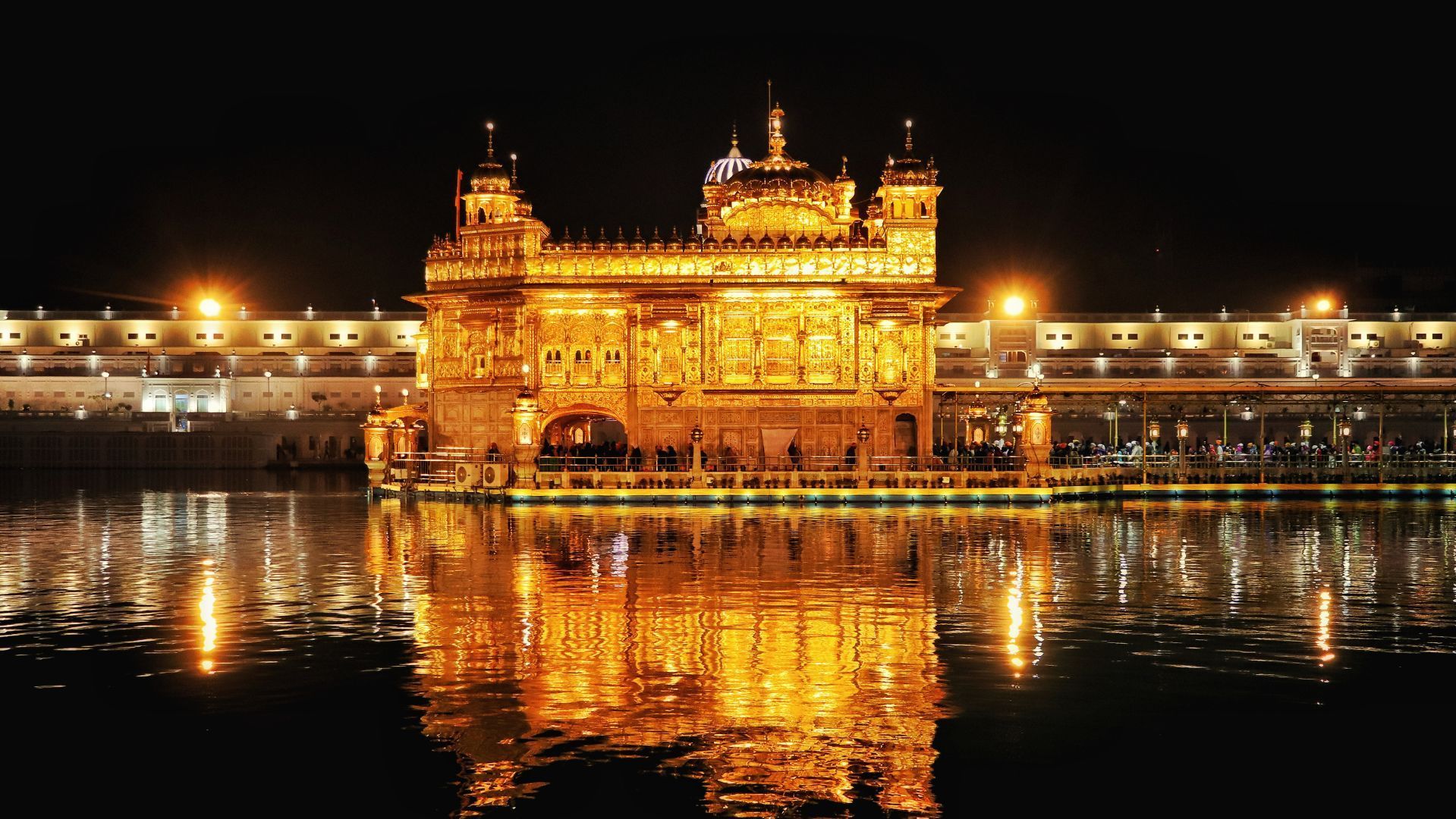
As night falls, the golden temple transforms into something almost ethereal. Soft lights illuminate the gold-covered structure, making it glow against the dark sky with a calm, steady brilliance.
Unlike daytime, when sunlight adds vibrancy, the nighttime illumination feels gentle and intimate. The light does not overwhelm the senses—it soothes them. Many visitors say the Golden Temple at night feels less like a monument and more like a living presence.
Reflections in Water
One of the most unforgettable sights is the reflection of the Golden Temple in the Amrit Sarovar at night. The stillness of the water creates a mirror-like image, doubling the sense of beauty and calm.
The reflection moves slightly with the water, creating a quiet rhythm that naturally draws the mind inward. Sitting beside the pool, watching the lights shimmer, often becomes a meditative experience even for first-time visitors.
Emotional Stillness
Night brings a different emotional tone to the golden temple. The crowds thin, conversations soften, and movements slow down. There is a deeper stillness in the air—one that feels personal and introspective.
Many visitors describe feeling emotionally lighter at night, as if the silence gives space for unspoken thoughts to settle. The combination of low light, devotional music, and open space creates a sense of emotional safety and calm.
Why Many Call Night Visits Unforgettable
For many, a night visit to the Golden Temple becomes the most memorable part of their journey. The experience feels less rushed, more reflective, and deeply peaceful. Without the distractions of the day, people connect more strongly with the atmosphere and with themselves.
This is why so many travelers say that seeing the Golden Temple at night is not just beautiful—it is unforgettable, leaving a lasting sense of peace long after they leave.
Cultural Importance of the Golden Temple in India
The Golden Temple stands as the most powerful symbol of Sikh identity and spiritual heritage. For Sikhs across the world, it represents the core values taught by the Sikh Gurus—faith, humility, equality, and service.
More than a physical structure, the Golden Temple acts as a cultural anchor, connecting generations to their history and beliefs. Even for Sikhs living far from India, it remains a source of pride and spiritual connection, symbolizing resilience and devotion.
Role in Indian Unity
Beyond Sikhism, the Golden Temple holds an important place in India’s diverse cultural fabric. It welcomes people from all religions and regions, reinforcing the idea of unity in diversity.
The openness of the Golden Temple, from its four entrances to its community kitchen, reflects values that align closely with India’s pluralistic identity. In times of social or national hardship, the temple has often served as a space for reflection, solidarity, and healing.
The Golden Temple in National Consciousness
The Golden Temple occupies a significant place in India’s national consciousness. Its image is instantly recognizable and often associated with peace, spirituality, and selfless service. It appears frequently in literature, films, and historical narratives, not as a symbol of power, but as one of moral strength and compassion.
For many Indians, visiting the Golden Temple is seen as a meaningful life experience, regardless of religious background.
Representation of Service and Sacrifice
Service and sacrifice define the living culture of the Golden Temple. Through Langar, Seva, and daily acts of kindness, the temple demonstrates that service to humanity is a sacred duty. These practices have inspired countless community initiatives across India and beyond.
Historically, the Golden Temple has also stood as a witness to sacrifice and resilience during difficult periods. Despite challenges, it has continued to uphold its values without bitterness or exclusion.
This unwavering commitment to service, equality, and compassion is why the Golden Temple remains not just a religious landmark but a cultural symbol of India’s moral and humanistic ideals.
Global Recognition and Tourism
The Golden Temple attracts millions of visitors from around the world each year, making it one of the most visited spiritual sites globally. Travelers from Europe, North America, Southeast Asia, and beyond come not only for religious reasons but also to experience the atmosphere of peace and equality.
For many international visitors, the Golden Temple offers a rare opportunity to witness spirituality practiced through daily life, where devotion, service, and humility are visible in every interaction.
Unlike destinations that rely heavily on tourism infrastructure, the Golden Temple welcomes foreigners in the same way it welcomes locals. There are no special privileges or segregated experiences.
This authenticity leaves a lasting impression on travelers who often describe their visit as transformative rather than touristic.
UNESCO Discussions
The global importance of the Golden Temple has led to ongoing discussions about its recognition at international heritage levels, including mentions in UNESCO-related conversations.
While it is not currently a UNESCO World Heritage Site, the temple’s architectural harmony, historical resilience, and living cultural traditions place it among sites frequently referenced in heritage discourse.
Its continuous use as a place of worship, combined with its social role through Langar and Seva, makes the Golden Temple unique when compared to static historical monuments.
These discussions highlight not just the physical beauty of the site, but its role as a living example of human values in action.
Why Travelers Rank the Golden Temple Among Top Spiritual Sites Globally
Many travelers rank the Golden Temple among the world’s top spiritual destinations because of the experience it offers rather than its scale or luxury. The absence of commercial pressure, the emphasis on equality, and the peaceful discipline of daily rituals create an environment that feels genuine and grounding.
Visitors often compare the Golden Temple to other global spiritual landmarks, noting its openness and human warmth. The opportunity to participate in Langar, listen to continuous hymns, and observe selfless service gives travelers a deeper understanding of spirituality beyond belief systems.
This is why the Golden Temple is consistently remembered as a place that touches the heart, leaving visitors with a sense of calm and universal connection long after they leave.
Golden Temple Travel Guide: Amritsar Beyond the Shrine
While the golden temple is the heart of Amritsar, the city offers several meaningful attractions nearby. Just a short walk away is Jallianwala Bagh, a historic memorial that reflects India’s struggle for freedom and adds historical depth to your visit. The Partition Museum is another must-visit site, offering powerful stories of resilience and human experience. Exploring these places alongside the golden temple helps visitors understand Amritsar as both a spiritual and historical city.
Local Food and Culture
Amritsar is known across India for its rich food culture. After visiting the Golden Temple, travelers often explore local favorites such as Amritsari kulcha, chole, lassi, and traditional Punjabi sweets. The city’s bustling markets, especially near the temple area, reflect vibrant Punjabi culture through music, textiles, and warm hospitality. This blend of devotion and daily life makes the experience around the Golden Temple feel authentic and welcoming.
Wagah Border Visit
A visit to Wagah Border, located about 30 kilometers from the city, is a popular addition to any Amritsar itinerary. The daily evening ceremony, filled with patriotic energy and synchronized movements, offers a powerful contrast to the calm of the golden temple. Many travelers plan their day around a morning or afternoon temple visit followed by an evening trip to Wagah, balancing reflection with national pride.
Planning a Complete Amritsar Trip
To fully experience Amritsar, it is ideal to plan at least two to three days. This allows time to visit the Golden Temple more than once—perhaps in the early morning and at night—while also exploring the city’s cultural landmarks and food scene. Staying near the temple area provides easy access and a deeper sense of connection to the city’s rhythm. With thoughtful planning, Amritsar becomes more than a destination—it becomes a journey that begins at the Golden Temple and extends into history, culture, and community.
