Artificial intelligence has transformed the way people edit and enhance photos.
AI photo editing refers to the use of machine learning algorithms that can automatically analyze and improve images without requiring advanced technical skills.
These systems can recognize faces, adjust lighting, enhance colors, remove backgrounds, and even transform photos into artistic styles.
Because of this powerful automation, many people today ask “How can I AI my picture?” when they want to improve a photo quickly without spending hours learning complex editing software.
AI tools can scan millions of image patterns and apply professional-level enhancements in just seconds.
For example, popular tools such as Adobe Photoshop and Remini use AI to sharpen images, fix blurry photos, and restore old pictures.
According to industry reports, the global AI image editing market has grown rapidly in recent years, showing how strongly people are adopting AI-powered creativity.
AI-generated images have also become extremely popular on social media platforms. Many users enjoy transforming their selfies into digital artwork, cartoons, anime portraits, or professional-looking headshots.
Viral trends on platforms like Instagram and TikTok have helped AI photo transformations reach millions of people around the world.
For example, AI avatar generators and “AI yearbook” filters became widely shared trends online.
Studies show that visual content receives significantly higher engagement on social media than plain text posts, which explains why creative AI images often gain attention quickly.
Because of these trends, more users are searching online for answers to the question “How can I AI my picture?” so they can join the latest digital creativity movements.
AI-generated portraits and artistic photos allow people to experiment with different styles, making social media profiles more visually appealing and unique.
Another reason AI photo tools are growing so fast is that they make editing accessible for beginners. In the past, creating high-quality photo edits required knowledge of professional tools and editing techniques.
Today, AI apps simplify the process with easy-to-use interfaces and automated features. Most AI photo tools only require a few simple steps: upload an image, choose a style or enhancement option, and let the AI process the photo.
Within seconds, the software generates an improved or stylized image ready to download or share. This simplicity is why many beginners search “How can I AI my picture?” when they want fast results without technical complexity.
AI tools remove the barriers that once existed in digital design, allowing anyone with a smartphone or computer to create impressive visuals.
As AI technology continues to advance, these tools are expected to become even more powerful and widely used in photography, marketing, and everyday social media creativity.
More Read: Is Delta Considered a Good Airline?
What AI Photo Editing Means
Artificial intelligence has changed the way people create and improve digital images.
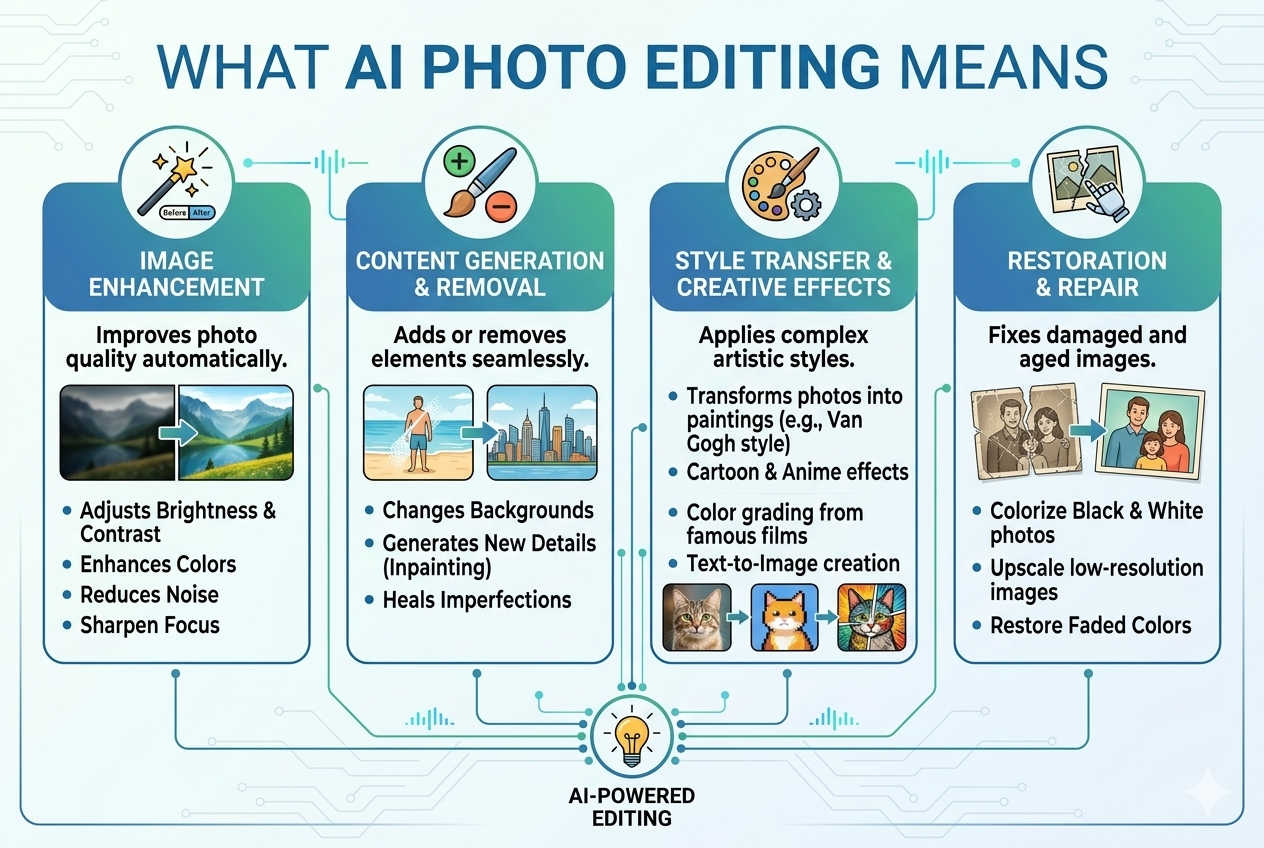
In simple terms, AI in image editing means using computer systems that can learn patterns from millions of pictures and apply that knowledge to enhance or transform new photos automatically.
Instead of manually adjusting brightness, colors, or backgrounds, AI tools analyze an image and make intelligent improvements in just a few seconds.
Because these systems rely on advanced machine learning models, they can recognize details that traditional software might miss.
This is why many beginners and content creators often search “How can I AI my picture?” when they want fast and professional-looking results.
Popular AI-powered platforms such as Canva and Adobe Photoshop now include built-in AI features that automatically enhance photos, remove unwanted objects, and generate creative effects.
These tools make it easier than ever for anyone to transform ordinary photos into polished visuals without advanced editing skills.
One of the most impressive abilities of AI image technology is how it analyzes faces, objects, and colors within a photo.
AI systems use neural networks to detect patterns in images, allowing them to identify elements like human faces, backgrounds, lighting conditions, and textures.
For example, facial recognition algorithms can locate key features such as eyes, nose, and mouth, which allows the software to apply improvements like skin smoothing or lighting adjustments without affecting the rest of the photo.
AI can also detect objects such as buildings, trees, pets, or clothing and apply different effects depending on what it recognizes.
Color analysis is another important function, as AI tools can automatically balance brightness, contrast, and tone to make an image appear more vibrant and natural.
Because these features work automatically, many users continue asking “How can I AI my picture?” when exploring creative editing options.
Advanced AI platforms can even generate new backgrounds or convert a simple portrait into a stylized painting or cartoon image.
The main difference between traditional photo editing and AI editing lies in how much manual effort is required.
Traditional editing tools require users to adjust every detail manually, including cropping, color correction, and retouching.
Professional photographers often spend hours editing a single image using layers, filters, and precise adjustments.
In contrast, AI editing automates most of these tasks. By analyzing the entire image, the AI can apply multiple improvements simultaneously and produce results in seconds.
This automation saves time and makes photo editing accessible to beginners who may not have professional design skills.
Because of this convenience, more people today search “How can I AI my picture?” when they want to quickly enhance a photo for social media, business branding, or personal creativity.
As AI technology continues to evolve, the gap between professional editing and everyday photo tools is becoming smaller, allowing anyone to create high-quality visuals with minimal effort.
More Read: Is Air India Owned by Delta?
Popular AI Tools and Apps
Today there are many powerful AI image tools that allow people to edit and transform photos in seconds.
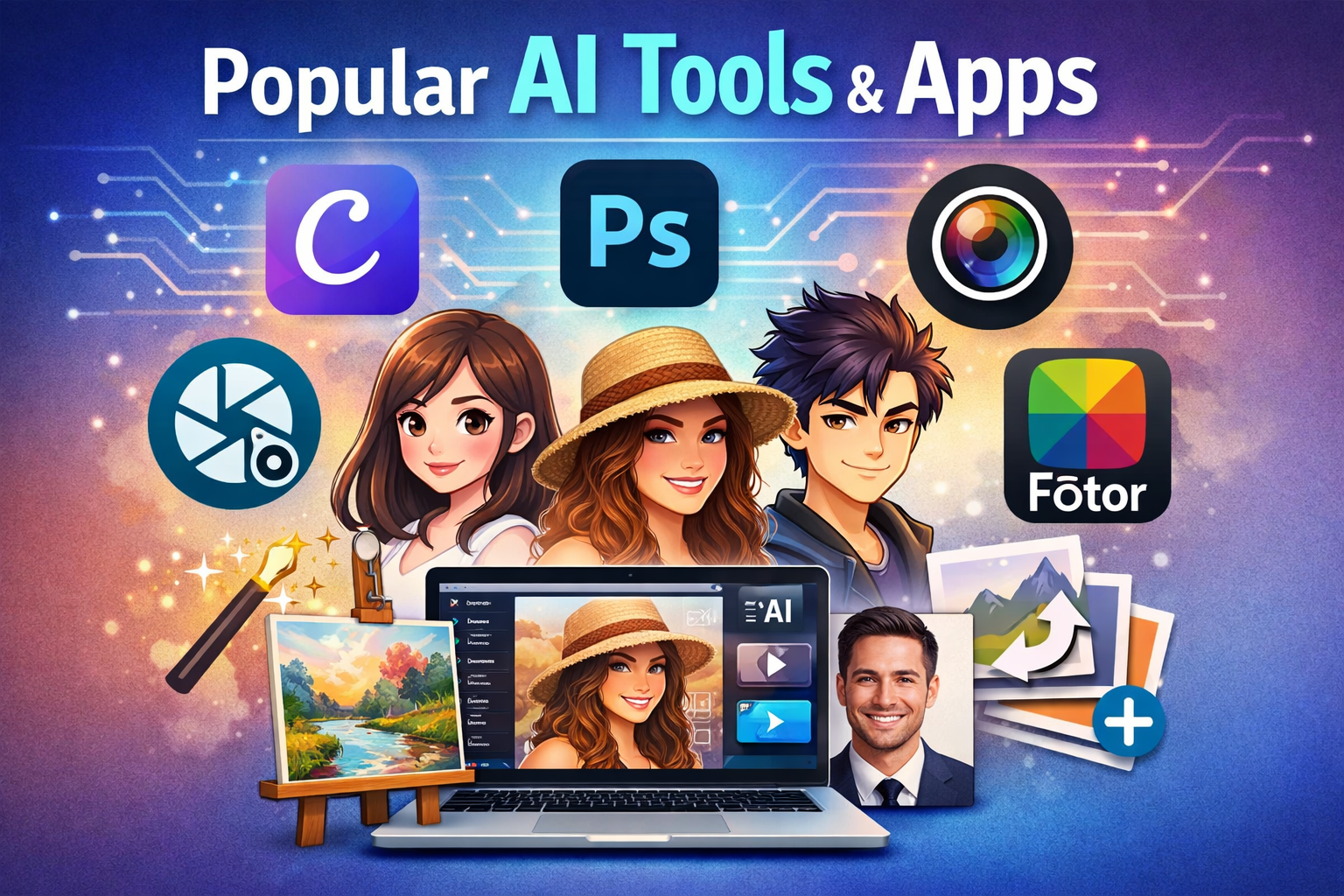
When users ask “How can I AI my picture?”, they usually discover a wide range of platforms designed for both beginners and professionals.
Some of the most widely used tools include Canva, Adobe Photoshop, Pixlr, and Fotor.
These platforms use machine learning algorithms to automatically enhance images, remove backgrounds, generate creative effects, and even create entirely new visuals.
For example, Canva’s AI design tools have been used billions of times to quickly generate social media graphics and edited photos.
(BestPhoto) Meanwhile, advanced software like Adobe Photoshop integrates AI features such as generative fill and automatic object removal, allowing users to edit images simply by describing the changes they want.
(The Verge) Because of these capabilities, millions of people worldwide now rely on AI-powered tools for photo editing, design, and digital creativity.
Another important choice people face when exploring AI photo editing is deciding between mobile apps and web-based platforms.
Mobile apps are especially popular because they allow users to edit photos directly from their smartphones.
Apps like YouCam Makeup provide AI-powered filters, virtual makeup, and selfie enhancements, and the app has been downloaded over 1 billion times worldwide. (Wikipedia) Mobile editors are ideal for quick edits, social media content, and everyday photography.
On the other hand, web-based tools such as Pixlr or Canva allow users to upload images through a browser and edit them using more advanced features on a computer.
These tools often include drag-and-drop editing, background removal, and AI design suggestions.
Because both options offer different advantages, beginners often search “How can I AI my picture?” to understand which platform is easiest to start with.
In general, mobile apps provide convenience, while web-based editors offer more creative control and design flexibility.
Another factor to consider when choosing an AI photo editor is whether the tool is free or paid. Many AI editing platforms offer free versions with limited features, allowing beginners to experiment without spending money.
For instance, Pixlr offers free AI editing tools with basic functionality, while premium plans unlock additional features and higher processing limits.
(BestPhoto) Similarly, tools like Fotor provide free editing options but also offer paid subscriptions for advanced AI effects, batch editing, and professional-quality exports.
This flexible pricing model helps make AI photo editing accessible to a wide range of users.
As AI technology continues to improve, more tools are becoming available with both free and premium options.
Because of this variety, people continue to ask “How can I AI my picture?” when exploring the best tools for their creative projects, social media profiles, or professional visual content.
More Read: What’s the Worst Airline to Fly Right Now?
Step-by-Step Process to Transform a Photo
The process of transforming a photo with artificial intelligence is surprisingly simple, which is why so many people search online for “How can I AI my picture?” when they want to create unique or enhanced images.
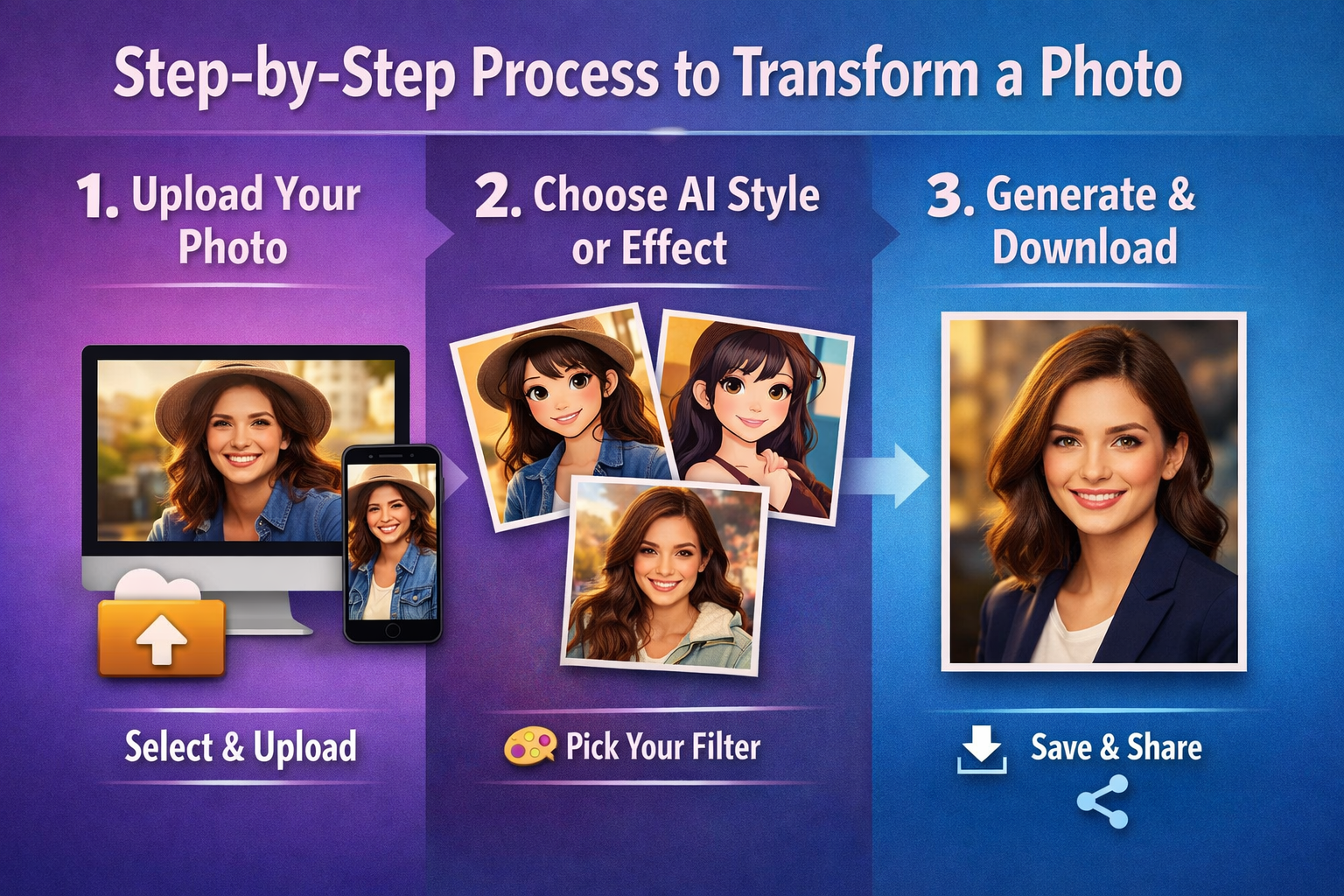
Most AI editing platforms follow a straightforward workflow that begins with uploading a photo. Users typically start by selecting a clear image from their phone, camera, or computer and uploading it to an AI editing tool.
Platforms such as Canva and Adobe Photoshop provide easy upload options where users can drag and drop their images directly into the editor.
Once the image is uploaded, the AI system analyzes it using machine learning models that detect faces, backgrounds, lighting conditions, and objects within the picture.
This automated analysis allows the tool to understand how the photo can be improved or transformed.
Because the process is so simple and fast, beginners who want professional-looking results often ask “How can I AI my picture?” when they first explore AI-powered editing tools.
After uploading the image, the next step is choosing an AI style or effect. AI platforms offer a wide variety of creative options that allow users to transform their photos in different ways.
Some tools can convert a portrait into a cartoon or anime-style image, while others can turn a photo into a digital painting, cinematic portrait, or professional headshot.
AI systems apply these styles by analyzing patterns from millions of images and recreating similar visual effects on the uploaded photo.
For example, a portrait might be enhanced with improved lighting, smoother skin tones, or an entirely new background generated by the AI.
Many users enjoy experimenting with different styles until they find one that fits their personal or social media aesthetic.
Because there are so many creative possibilities available, people frequently search “How can I AI my picture?” when they want to explore artistic transformations or improve the visual quality of their photos.
The final step is generating and downloading the AI-edited image. Once the user selects a style or enhancement option, the AI processes the photo automatically and produces a new version within seconds.
The system applies color correction, texture adjustments, and stylistic changes to create the final result.
After the AI finishes processing, users can preview the edited image and download it in high resolution.
Many platforms also allow the image to be shared directly to social media platforms such as Instagram, making it easy to post the AI-generated photo online.
This quick and efficient workflow explains why AI photo editing has become so popular among both beginners and professionals. By simply uploading a photo, selecting an effect, and downloading the result, anyone can transform their pictures with advanced technology.
That simplicity is exactly why more users continue to ask “How can I AI my picture?” when looking for creative and convenient ways to enhance their photos.
More Read: Does Delta own Emirates?
Creative Styles You Can Apply
Artificial intelligence has opened up many creative possibilities for transforming photos into unique digital styles.
When people ask “How can I AI my picture?”, they are often looking for ways to experiment with fun visual effects or create professional-looking images without advanced design skills.
One of the most popular options is turning photos into cartoon or anime-style avatars.
AI tools analyze facial features such as the shape of the eyes, hair, and expressions, then recreate them in an illustrated style.
These AI avatars have become especially popular for social media profiles and gaming communities because they allow users to express their personality in a creative way.
Platforms like Canva and apps such as Lensa AI offer filters that can transform a regular selfie into a colorful animated portrait.
These styles are widely shared on social media platforms like Instagram, where visually unique images often attract more engagement.
Because these transformations are quick and visually impressive, many people search “How can I AI my picture?” to create their own cartoon or anime-style avatars.
Another creative feature of AI photo editing is the ability to convert photographs into paintings or artistic visuals.
AI painting tools use deep learning models trained on thousands of artworks to reproduce painting styles inspired by classical art, watercolor designs, or digital illustrations.
With just a few clicks, a simple photograph can be transformed into something that looks like a hand-painted masterpiece.
Many artists and designers use these tools for inspiration, while everyday users enjoy experimenting with artistic filters to create unique images for personal projects.
Some AI platforms even allow users to apply styles inspired by famous art movements, giving photos a completely different aesthetic.
This ability to turn ordinary photos into digital artwork is another reason people frequently ask “How can I AI my picture?” when exploring creative image editing options.
AI-generated paintings and artistic filters help users create visually striking images without needing advanced artistic training.
AI photo editing is also widely used for creating professional headshots and polished profile photos.
In the past, getting a high-quality headshot required a professional photographer and a studio session. Today, AI tools can enhance lighting, smooth skin tones, adjust backgrounds, and improve overall image quality automatically.
This makes it easier for professionals, freelancers, and job seekers to create a polished profile picture for business platforms such as LinkedIn.
AI headshot generators can even simulate studio lighting and professional backgrounds, giving a portrait a clean and professional appearance.
Because these tools are affordable and easy to use, many people who want to upgrade their online profiles search “How can I AI my picture?” to create better-looking photos for resumes, portfolios, and social media.
With AI technology continuing to improve, creating professional and creative images is becoming easier for anyone with a smartphone or computer.
More Read: Can Basic Economy tickets be changed or refunded?
Tips for Better AI Image Results
Getting the best results from AI photo editing often depends on the quality of the original image. When people search “How can I AI my picture?”, they usually want their final photo to look clear, professional, and visually appealing.
One of the most important tips is to start with a high-resolution photo. AI tools work by analyzing details such as textures, edges, and colors, so the clearer the image, the better the AI can process it.
A high-resolution image allows the software to detect facial features, background elements, and lighting conditions more accurately.
Platforms like Canva and Adobe Photoshop often recommend using high-quality images to achieve the best editing results.
For example, a clear portrait photo can be transformed into a polished professional headshot or artistic portrait much more effectively than a blurry or low-resolution image.
Because of this, people who want better outcomes often ask “How can I AI my picture?” and quickly learn that image quality is the foundation of successful AI editing.
Lighting and camera angles are also crucial factors when preparing a photo for AI transformation. Good lighting helps the AI system recognize faces, shadows, and colors more accurately.
Natural light, especially daylight from a window or outdoor environment, usually produces the best results because it reduces harsh shadows and highlights facial details.
Clear angles also help the AI identify key features such as eyes, nose, and facial structure, which improves the accuracy of enhancements and effects.
Many professional photographers recommend taking photos with the camera positioned at eye level and ensuring the subject’s face is well illuminated.
These simple adjustments can significantly improve how AI tools process an image. That is why many beginners researching “How can I AI my picture?” are encouraged to pay attention to lighting and composition before uploading their photos.
A well-lit and properly framed image allows AI tools to generate more realistic and visually appealing results.
Another effective way to improve AI-generated images is by experimenting with different filters and effects. AI editing tools offer a wide variety of styles, ranging from artistic paintings and cartoon avatars to cinematic portraits and professional headshots.
Each filter applies a different visual transformation based on machine learning models trained on millions of images. For example, apps like Lensa AI allow users to generate multiple artistic versions of the same image, giving them several creative options to choose from.
Trying different styles helps users discover which effect best matches their personal or professional needs.
This flexibility is another reason people frequently search “How can I AI my picture?” when exploring AI-powered creativity.
By starting with a high-quality photo, using good lighting, and experimenting with multiple filters, anyone can create impressive AI-generated images for social media, branding, or personal projects.
More Read: Can I Cancel My American Airlines Ticket Within 24 Hours? An Overview
Privacy and Safety Considerations
As AI photo editing becomes more popular, many users also begin to think about privacy and security when uploading their images online.
When people search “How can I AI my picture?”, they often focus on creative possibilities, but protecting personal photos is equally important.
Uploading an image to an AI tool means sharing it with a platform that processes the data through its servers. In some cases, these images may be temporarily stored to improve the system’s performance or train machine learning models.
Because of this, users should always check the privacy policies of the apps they use. Popular platforms such as Canva and Adobe Photoshop clearly explain how user data is handled and protected.
Choosing platforms that use encryption and transparent privacy practices can reduce the risk of unauthorized access to personal photos.
Taking these precautions helps ensure that while exploring the question “How can I AI my picture?”, users also keep their personal data safe.
Understanding how AI applications use uploaded images is another important part of responsible photo editing.
Many AI tools rely on machine learning models trained on large datasets of images to improve their ability to recognize faces, objects, and visual patterns.
In some cases, user-uploaded photos may contribute to improving the system’s performance if the platform allows data usage for training purposes. This is why reading the terms of service and privacy agreements is important before uploading personal photos.
Some apps allow users to opt out of data collection or automatically delete images after processing.
Being aware of these settings helps users maintain control over their digital content. As AI technology becomes more advanced, discussions about ethical data use and user privacy are becoming more common.
These concerns often appear alongside the question “How can I AI my picture?” as more people explore AI editing tools while also protecting their personal information.
Choosing trustworthy AI tools is the final step in maintaining safety while editing photos with artificial intelligence. Reliable platforms usually have strong reputations, clear privacy policies, and secure data protection practices.
Users can look for tools that are widely recognized and reviewed by professionals and technology communities.
Apps such as Lensa AI and design platforms like Canva have gained popularity partly because of their established credibility and user-friendly security practices.
In addition, downloading apps from official app stores and avoiding unknown websites can help reduce potential risks.
As more people experiment with AI creativity and ask “How can I AI my picture?”, understanding privacy practices and choosing reliable platforms becomes increasingly important.
By combining creativity with caution, users can enjoy the benefits of AI-powered photo editing while keeping their personal data protected.
More Read: How Do I Change My American Airlines Flight?
Practical Uses of AI Images
Artificial intelligence has made it easier than ever to create eye-catching images for social media profiles.
When people ask “How can I AI my picture?”, one of the most common reasons is to create a unique profile photo that stands out online.
Social platforms place a strong emphasis on visuals, and a high-quality profile picture can make a strong first impression.
AI tools can enhance selfies, improve lighting, smooth skin tones, and even transform a regular portrait into a stylized avatar. Many users create cartoon versions of their photos or artistic portraits to make their profiles more memorable.
Platforms like Instagram and TikTok have millions of users who regularly share AI-generated images.
According to social media studies, posts with strong visuals can receive significantly more engagement than plain images, which explains why AI-edited profile pictures are becoming so popular.
Because of these trends, people often search “How can I AI my picture?” to improve their online presence and create a more attractive digital identity.
AI-generated images are also widely used in marketing, branding, and content creation. Businesses and entrepreneurs increasingly rely on visuals to communicate their message and attract customers online.
AI photo editing tools allow marketers to quickly generate professional-looking images without the cost of traditional design services.
For example, companies can create branded visuals, product mockups, and promotional graphics using platforms such as Canva or advanced editing tools like Adobe Photoshop.
These tools offer AI-powered features that can automatically remove backgrounds, adjust colors, and generate creative layouts.
As digital marketing continues to grow, high-quality visual content has become essential for social media campaigns, advertisements, and website design.
This growing demand for visual content is another reason many creators and entrepreneurs search “How can I AI my picture?” when they want quick and professional results for their online content.
Beyond social media and marketing, AI photo editing has also opened new possibilities for digital art and creative projects.
Artists, designers, and hobbyists use AI tools to experiment with new visual styles and artistic concepts. A simple photograph can be transformed into a painting, futuristic portrait, or fantasy artwork within seconds.
AI algorithms analyze the shapes, colors, and textures in the original image and recreate them using artistic filters inspired by different art styles.
These capabilities allow creators to explore ideas that would normally require advanced artistic skills or hours of manual work.
Digital artists often combine AI-generated images with traditional design techniques to produce unique creative pieces.
Because of these exciting possibilities, many creators continue asking “How can I AI my picture?” when exploring new ways to express their ideas through technology.
AI-powered creativity is helping redefine modern digital art by making advanced visual tools accessible to anyone with a smartphone or computer.
Conclusion
Artificial intelligence has transformed the way people edit and enhance photos, making advanced editing techniques accessible to everyone.
When people ask “How can I AI my picture?”, they often discover that AI tools offer many advantages compared to traditional editing methods. One major benefit is speed.
Tasks that once required professional skills and hours of manual work—such as removing backgrounds, adjusting lighting, or enhancing facial features—can now be completed in seconds.
AI systems analyze images using machine learning algorithms that detect patterns, colors, and textures automatically.
This means users can achieve professional-quality results without needing extensive design experience.
Popular platforms like Canva and advanced tools such as Adobe Photoshop have integrated AI features that simplify complex editing processes.
Because of these advantages, many beginners and professionals alike search “How can I AI my picture?” when they want to create visually impressive images quickly and efficiently.
Another important benefit of AI photo transformation is creativity. AI tools allow users to experiment with different styles, effects, and artistic concepts that might be difficult to create manually.
A simple photo can be turned into a digital painting, cartoon avatar, cinematic portrait, or professional headshot with just a few clicks.
These creative possibilities are especially valuable for content creators, designers, and social media users who need unique visuals to stand out online.
For example, people frequently use AI editing apps to generate personalized avatars or artistic profile pictures for platforms like Instagram.
AI also makes it easier for businesses and marketers to produce engaging visual content without hiring large design teams.
This combination of efficiency and creativity is one of the reasons why AI-powered photo editing has become so widely adopted across industries.
As a result, the question “How can I AI my picture?” continues to grow in popularity as more users explore these powerful tools.
Looking ahead, artificial intelligence is expected to play an even bigger role in the future of photography and digital creativity.
Advances in machine learning and computer vision are already enabling AI systems to generate realistic images, improve photo quality, and automate complex editing tasks.
In the coming years, AI may be able to create entirely new visual scenes from simple text descriptions or enhance photos in ways that closely mimic professional photography techniques.
These developments will likely make visual creation faster, more accessible, and more personalized for users around the world.
As technology continues to evolve, AI will not only assist photographers but also inspire new forms of artistic expression.
For anyone exploring modern digital creativity, understanding “How can I AI my picture?” is becoming an essential step in using technology to transform ordinary photos into powerful visual content.
