Choosing the right top island destination is often the difference between a perfect tropical vacation and a disappointing travel experience. Many travelers imagine crystal-clear water, sunny beaches, and calm ocean breezes when they think about visiting an island. However, the reality is that weather conditions can dramatically change how enjoyable a trip actually becomes. A location that looks like a dream in travel photos can feel completely different during heavy rain, strong winds, or extreme humidity. This is why understanding climate patterns is essential when selecting a top island destination.
Weather plays a crucial role in shaping the overall travel experience. Sunshine hours, rainfall levels, humidity, and seasonal storms all influence how comfortable and enjoyable an island trip will be. Some islands maintain stable temperatures throughout the year, making them a reliable top island destination for travelers seeking consistent weather. Others experience dramatic seasonal shifts, including monsoon rains or hurricane seasons that can affect travel plans.
Despite this, many travelers still choose a top island destination based on social media images, travel trends, or popularity rankings without considering the actual weather conditions during their planned travel dates. A destination that ranks as a popular top island destination in one season may have completely different conditions in another. Understanding when to visit is just as important as deciding where to go.
This guide ranks several well-known islands to help identify the best top island destination based on weather conditions. Factors such as average temperature, rainfall patterns, sunshine hours, and seasonal weather stability are considered when comparing these destinations. By evaluating these elements, travelers can better understand which islands provide the most reliable climate for a comfortable vacation.
Throughout this article, we will explore some of the world’s most popular island locations and analyze why each one can be considered a top island destination depending on the time of year. From tropical paradises in the Indian Ocean to Mediterranean islands known for their sunny summers, every destination offers unique climate advantages. By the end of this guide, travelers will have a clearer understanding of how weather influences travel decisions and how to choose the ideal top island destination for their next trip.
Why Weather Matters When Choosing a Top Island Destination
When travelers search for the perfect top island destination, they often focus on beaches, resorts, and scenic landscapes. While these elements are important, weather ultimately determines how enjoyable those attractions will be. An island known for beautiful beaches can feel completely different during stormy seasons or weeks of heavy rainfall. Because of this, climate is one of the most important factors when deciding which top island destination to visit.
Weather conditions influence almost every activity travelers plan during an island vacation. Sunshine allows visitors to enjoy beaches, water sports, island tours, and outdoor dining. On the other hand, frequent rain or strong winds can limit these experiences. A destination may still be considered a top island destination, but visiting during the wrong season can significantly reduce the quality of the trip.
Another reason weather matters is travel comfort. Tropical islands often have high humidity levels, which can make sightseeing and outdoor activities exhausting if temperatures become too intense. Some travelers prefer warm weather with mild ocean breezes, while others enjoy cooler coastal climates. Understanding these differences helps travelers choose a top island destination that matches their personal comfort level.
Tourist seasons also play a major role in determining the popularity of a top island destination. Many islands have peak seasons when the weather is most stable, with clear skies and lower rainfall. During these months, tourism increases significantly. Hotels, flights, and activities may become more expensive because travelers want to visit the top island destination when weather conditions are ideal.
However, peak tourist seasons do not always guarantee perfect weather. Some islands experience sudden weather changes, even during popular travel months. This is why it is important to look beyond travel trends and understand long-term climate patterns. A destination may appear on many travel lists as a top island destination, but its weather conditions may vary greatly throughout the year.
Geography also influences island climates. Tropical islands near the equator often experience warm temperatures year-round but may have monsoon seasons with heavy rainfall. Mediterranean islands typically have dry summers and mild winters, making them a seasonal top island destination during warmer months. Subtropical islands, such as those in the Pacific, may offer more balanced weather conditions with fewer extreme seasonal changes.
Understanding these climate differences allows travelers to make smarter travel decisions. Instead of choosing a location solely because it is labeled a top island destination, travelers should consider how weather patterns align with their travel dates. The right combination of destination and season ensures that travelers experience the island at its best.
also read: Is Delta Airlines a Good Airline? A Complete Review for Travelers
How We Ranked Each Top Island Destination
Ranking the world’s best islands requires more than looking at beautiful photos or tourism popularity. To determine which locations truly qualify as a top island destination, weather stability and climate conditions must be carefully evaluated. Many islands look attractive in travel brochures, but their weather patterns can vary greatly throughout the year. This guide ranks each top island destination based on consistent and traveler-friendly weather conditions.
The first factor considered when evaluating a top island destination is average temperature. Most travelers prefer islands that maintain warm but comfortable temperatures throughout the year. Extremely hot climates or locations with dramatic seasonal temperature changes may not provide the same level of comfort. A top island destination typically offers stable temperatures that allow visitors to enjoy outdoor activities without extreme weather conditions.
Rainfall patterns are another key factor. Heavy rain can disrupt beach activities, island tours, and outdoor adventures. Islands with long monsoon seasons or unpredictable rainfall patterns may not consistently perform as a top island destination for travelers seeking sunny vacations. Destinations with shorter rainy seasons and more dry days throughout the year often rank higher when identifying a reliable top island destination.
Storm risk is also considered in the ranking process. Some island regions experience hurricanes, cyclones, or typhoons during certain months. While these storms do not occur year-round, they can affect travel plans if visitors arrive during peak storm seasons. A top island destination generally has either a low risk of severe storms or predictable weather patterns that travelers can plan around.
Sunshine hours are another important factor. Islands that receive longer daily sunshine hours provide more opportunities for outdoor activities such as swimming, snorkeling, hiking, and sightseeing. A location with frequent sunshine and clear skies is more likely to be recognized as a top island destination for travelers seeking a classic tropical experience.
Seasonal stability also plays a major role in the ranking process. Some islands offer great weather only during a few months of the year, while others maintain comfortable conditions across multiple seasons. A top island destination is typically one that provides enjoyable weather for a large portion of the year, allowing travelers flexibility when planning their trips.
By analyzing temperature trends, rainfall levels, storm risk, sunshine hours, and seasonal stability, this guide identifies islands that consistently offer the best climate conditions. These factors help determine which locations deserve recognition as a top island destination based primarily on weather reliability and travel comfort.
#1 – Maldives

Among tropical travel locations around the world, the Maldives consistently ranks as a top island destination because of its warm climate, turquoise lagoons, and predictable tropical weather patterns. Located in the Indian Ocean, the Maldives is made up of more than 1,000 coral islands, many of which are surrounded by calm, shallow waters that create ideal conditions for beach vacations and water activities.
One reason the Maldives remains a top island destination is its stable temperature throughout the year. Average temperatures usually range between 25°C and 31°C, creating warm conditions that are comfortable for swimming, snorkeling, and relaxing on the beach. Unlike some islands that experience dramatic seasonal temperature changes, the Maldives maintains a tropical climate that remains relatively consistent.
Rainfall patterns also influence why the Maldives is considered a top island destination for many travelers. The country experiences two main seasons: a dry season and a wet season. The dry season typically runs from November to April and is often regarded as the best time to visit. During this period, travelers can expect clear skies, lower humidity, and calm ocean conditions, making it ideal for outdoor activities.
Even during the wetter months, the Maldives often remains a desirable top island destination because rainfall usually occurs in short bursts rather than continuous storms. Visitors may still experience long periods of sunshine between passing tropical showers. This weather pattern allows travelers to enjoy many outdoor experiences despite occasional rain.
Another reason the Maldives stands out as a top island destination is the exceptional clarity of its surrounding waters. Calm seas and excellent visibility make the islands one of the world’s best locations for snorkeling and diving. Coral reefs, tropical fish, manta rays, and whale sharks attract visitors who want to explore marine ecosystems.
Luxury resorts built on private islands also contribute to the Maldives’ reputation as a top island destination. Overwater villas, beachfront bungalows, and private lagoon access create a unique travel experience that blends natural beauty with high-end hospitality.
Because of its consistent warm temperatures, beautiful coral islands, and favorable dry-season weather, the Maldives continues to be recognized globally as a top island destination for travelers seeking a tropical escape.
#2 – Bali

Bali is widely recognized as one of the world’s most popular travel locations and continues to attract millions of visitors each year. With its combination of tropical beaches, cultural heritage, lush landscapes, and vibrant nightlife, Bali has established itself as a top island destination for travelers seeking both relaxation and adventure.
One of the main reasons Bali qualifies as a top island destination is its tropical climate. The island experiences warm temperatures throughout the year, typically ranging between 26°C and 30°C. These comfortable temperatures allow visitors to enjoy outdoor activities such as beach visits, temple tours, hiking, and water sports almost any time of the year.
Bali’s weather is primarily divided into two seasons: the dry season and the rainy season. The dry season, which usually runs from April to October, is widely considered the best time to visit. During these months, the island experiences sunny skies, lower humidity, and minimal rainfall. These conditions make Bali an attractive top island destination for travelers interested in surfing, exploring cultural sites, and relaxing on tropical beaches.
The rainy season typically occurs between November and March. Although rainfall increases during this time, Bali still remains a popular top island destination because showers often occur in short bursts rather than lasting throughout the entire day. Many travelers still visit during this season because the island becomes greener and less crowded.
Another factor that strengthens Bali’s reputation as a top island destination is its geographic diversity. Unlike many islands that focus primarily on beaches, Bali offers mountains, waterfalls, forests, and rice terraces. Travelers can explore volcanic landscapes, visit traditional temples, and enjoy cultural festivals that showcase the island’s rich heritage.
Surfing conditions also contribute to Bali’s popularity. The island is known for consistent waves that attract surfers from around the world. Locations such as Uluwatu, Canggu, and Kuta Beach have become famous among both beginner and professional surfers. This strong surf culture adds another dimension to Bali’s identity as a top island destination.
With its tropical climate, diverse landscapes, and vibrant culture, Bali continues to rank among the world’s most appealing travel locations. Its combination of favorable weather conditions and varied attractions ensures that it remains a leading top island destination for global travelers.
#3 – Maui

Maui is often considered one of the most scenic islands in the Pacific and continues to rank among the world’s most admired travel locations. With its dramatic volcanic landscapes, tropical beaches, and lush rainforests, Maui has built a strong reputation as a top island destination for travelers seeking both natural beauty and reliable weather conditions.
One of the biggest reasons Maui stands out as a top island destination is its stable climate. Located in the Hawaiian archipelago, the island benefits from a tropical yet moderated climate influenced by ocean trade winds. Average temperatures throughout the year typically range from 24°C to 30°C, creating comfortable conditions for outdoor exploration and beach activities.
Unlike many tropical islands that experience heavy monsoon seasons, Maui enjoys relatively balanced weather patterns. Rainfall varies across different parts of the island, with the windward regions receiving more rain while the leeward coastal areas remain sunnier. This microclimate diversity helps maintain Maui’s reputation as a dependable top island destination, since travelers can often find sunny conditions somewhere on the island even when clouds appear in other areas.
The best months to visit Maui are generally between April and October, when the weather is warmer and rainfall is minimal. During these months, the island offers excellent conditions for snorkeling, whale watching, beach relaxation, and scenic drives. These favorable weather patterns help strengthen Maui’s status as a reliable top island destination for travelers seeking a tropical escape.
Another factor that contributes to Maui’s reputation as a top island destination is its diverse range of landscapes. Visitors can relax on golden beaches, explore the lush rainforest along the famous Road to Hana, or watch the sunrise from the summit of Haleakalā volcano. These natural attractions provide a variety of experiences that extend beyond traditional beach tourism.
Ocean conditions also play an important role in making Maui a top island destination. The island offers excellent opportunities for snorkeling, surfing, and marine wildlife viewing. During winter months, humpback whales migrate to Hawaiian waters, creating one of the best whale-watching experiences in the world.
Because of its consistent climate, spectacular scenery, and wide range of outdoor activities, Maui continues to be recognized globally as a top island destination for travelers seeking both adventure and relaxation.
#4 – Santorini

Santorini is one of the most recognizable islands in the world and consistently appears on global travel lists as a top island destination. Located in the Aegean Sea, this Greek island is famous for its whitewashed buildings, blue-domed churches, dramatic volcanic cliffs, and stunning sunset views. Its Mediterranean climate and scenic landscapes make it a popular destination for travelers seeking both relaxation and cultural exploration.
One of the key reasons Santorini ranks as a top island destination is its Mediterranean weather pattern. The island experiences warm, dry summers and mild winters. During the peak summer months from June to September, Santorini enjoys long hours of sunshine with very little rainfall. These conditions make it an ideal time for visitors who want to explore beaches, walk along the caldera cliffs, and enjoy outdoor dining with sea views.
Average summer temperatures typically range between 25°C and 30°C, creating comfortable weather for sightseeing and coastal activities. The dry climate also means visitors can explore the island without worrying about sudden tropical downpours, which helps maintain Santorini’s reputation as a reliable top island destination during the summer season.
Spring and early autumn also offer excellent weather conditions on the island. During these months, temperatures are slightly cooler and tourist crowds are smaller. Many travelers consider this period one of the best times to experience Santorini as a top island destination because the climate remains pleasant while the atmosphere feels more relaxed.
Another factor that contributes to Santorini’s popularity as a top island destination is its unique geological history. The island was shaped by a massive volcanic eruption thousands of years ago, creating dramatic cliffs that overlook the deep blue waters of the caldera. These landscapes provide breathtaking viewpoints that attract photographers and travelers from around the world.
Santorini also offers a blend of cultural experiences and coastal relaxation. Visitors can explore historic villages like Oia and Fira, discover ancient ruins such as Akrotiri, or relax on distinctive volcanic beaches. These diverse attractions enhance the island’s appeal as a top island destination for travelers interested in both natural beauty and cultural heritage.
Because of its sunny Mediterranean climate, iconic architecture, and remarkable volcanic landscapes, Santorini continues to stand out as one of Europe’s most memorable and visually striking top island destinations.
#5 – Seychelles
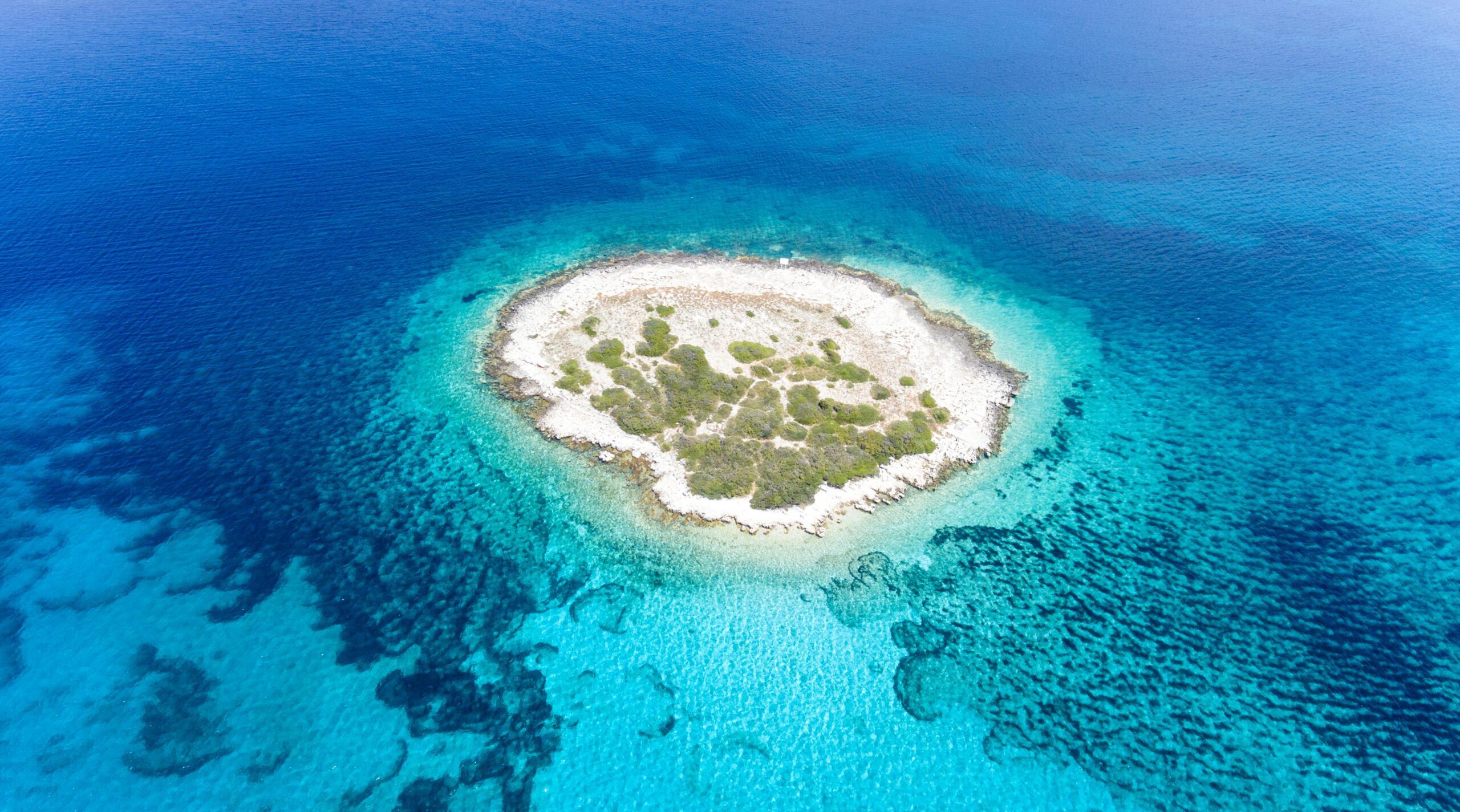
Seychelles is frequently ranked among the most beautiful island destinations in the world. Located in the Indian Ocean off the eastern coast of Africa, this archipelago consists of more than 100 islands surrounded by turquoise waters, white sand beaches, and unique granite rock formations. Because of its stable tropical climate and breathtaking landscapes, Seychelles has become a globally recognized top island destination for travelers seeking a tropical paradise.
One of the main reasons Seychelles is considered a top island destination is its year-round warm weather. Temperatures typically range between 24°C and 30°C, creating comfortable conditions for beach activities, island hopping, and outdoor exploration. Unlike destinations with extreme seasonal temperature changes, Seychelles maintains relatively stable weather throughout the year.
Rainfall patterns in Seychelles are influenced by trade winds that shift direction during different months. From May to October, southeast trade winds bring slightly cooler and drier conditions, which many travelers consider an ideal time to visit. During this period, calm seas and sunny days strengthen Seychelles’ reputation as a dependable top island destination for beach vacations and marine activities.
Between November and April, the islands experience warmer temperatures and occasional tropical showers. However, rainfall often occurs in short bursts rather than lasting for long periods. Because of this pattern, Seychelles still remains a desirable top island destination even during wetter months, as visitors can still enjoy long stretches of sunshine between passing showers.
Another reason Seychelles stands out as a top island destination is its extraordinary natural scenery. Beaches such as Anse Source d’Argent on La Digue Island are famous for dramatic granite boulders that create one of the most photographed coastal landscapes in the world. The surrounding coral reefs also provide excellent opportunities for snorkeling and diving.
Wildlife and nature conservation further enhance Seychelles’ reputation as a top island destination. Several islands are protected nature reserves where visitors can observe rare species such as giant Aldabra tortoises and diverse tropical birdlife. The islands’ commitment to environmental protection has helped preserve their pristine beauty.
With its warm tropical climate, remarkable beaches, and rich biodiversity, Seychelles continues to be celebrated as one of the world’s most stunning top island destination choices for travelers seeking natural beauty and relaxing weather conditions.
