Travel has changed dramatically in the last decade. While famous cities like Paris, Venice, and Bali still attract millions of visitors every year, many travelers are now actively searching for hidden travel destinations that offer quieter, more authentic experiences. Instead of crowded landmarks and long tourist lines, modern travelers want places that feel unique, peaceful, and culturally rich.
One major reason for this shift is the growing problem of overtourism. Popular destinations often receive far more visitors than they were designed to handle. According to the United Nations World Tourism Organization (UNWTO), international tourism reached more than 1.3 billion travelers annually before the pandemic. Cities like Venice receive over 20 million visitors each year, even though fewer than 60,000 residents actually live there. This imbalance creates crowded streets, higher travel costs, and a less enjoyable experience for visitors and locals alike.
What Makes a Destination “Hidden”?
Not every beautiful place qualifies as a hidden destination. A location becomes one of the world’s hidden travel destinations when it remains largely overlooked by mass tourism while still offering remarkable natural beauty, culture, or history. These places may exist close to famous cities or even within well-known countries, yet they remain quietly undiscovered by the majority of travelers.
Many travelers assume that hidden places are difficult to reach or completely unknown, but that is not always true. In reality, many hidden travel destinations simply receive less marketing attention, fewer international flights, or minimal promotion by large travel agencies. Because they are not heavily advertised, they stay off the radar of mainstream tourism even though they can offer experiences that rival the world’s most famous attractions.
A true hidden destination usually shares several characteristics. First, it has a relatively low number of international tourists compared to popular destinations. While famous cities might receive millions of visitors annually, hidden places often see only a fraction of that number. This creates a more relaxed atmosphere where travelers can explore comfortably without dealing with large crowds or long queues.
Another defining feature of hidden travel destinations is the preservation of local culture. In many major tourist cities, local traditions sometimes become commercialized or modified to accommodate tourists. In lesser-known destinations, however, traditional lifestyles, festivals, food, and architecture remain largely authentic. Travelers visiting these places often feel as though they are experiencing the real culture of the region rather than a version created for tourism.
Nature also plays a major role. Many hidden destinations are surrounded by untouched landscapes such as mountains, forests, lakes, or coastal areas that have not been heavily developed. Because these areas receive fewer visitors, their ecosystems remain healthier and more preserved. This makes them ideal for travelers who enjoy outdoor activities like hiking, diving, or photography.
Another important factor is tourism infrastructure. Hidden destinations typically have smaller hotels, guesthouses, or locally owned accommodations rather than large international resort chains. While the infrastructure may be simpler, it often provides a more personal and authentic travel experience. Visitors can interact more closely with local communities and support small businesses directly.
Travel experts often compare popular tourist hotspots with their quieter alternatives. For example, while Venice in Italy is famous for its canals and crowds, the coastal town of Kotor in Montenegro offers similar medieval beauty with far fewer tourists. Similarly, while Santorini in Greece is globally recognized for its white buildings and sunsets, many surrounding villages provide equally stunning views without the intense tourism traffic.
These comparisons highlight why many travelers are beginning to seek out hidden travel destinations instead of traditional hotspots. The experience tends to feel more personal, immersive, and memorable. Instead of rushing through packed attractions, visitors can slow down and truly explore a destination’s culture, landscapes, and local life.
The rise of social media and independent travel blogs has also played a major role in revealing these places to the world. Travelers now share photos and experiences from remote locations that were once known only to locals. While this exposure slowly increases tourism, it also encourages people to explore beyond the most obvious destinations.
Understanding what defines hidden destinations helps travelers discover places that offer something different from the typical tourist experience. Instead of simply following the same routes as millions of other travelers, exploring hidden travel destinations allows people to uncover unique stories, landscapes, and cultures that are still waiting to be discovered.
In the following sections, we will explore five remarkable hidden destinations around the world that many tourists still miss. Each of these places offers breathtaking scenery, rich culture, and unforgettable experiences while remaining far less crowded than the world’s most famous travel spots.
Many travelers visit the same famous cities every year—Paris, Rome, Dubai, Bali, and New York. While these places are beautiful, they often come with crowded attractions, high prices, and long waiting lines. Around the world, however, there are many hidden travel destinations that offer breathtaking landscapes, rich culture, and unforgettable experiences without the overwhelming crowds.
These destinations are often overlooked simply because they are not heavily promoted in mainstream travel guides. Yet they provide some of the most authentic and memorable travel experiences. From peaceful European villages to remote tropical islands, these hidden places allow travelers to experience the world in a quieter and more personal way.
Below are five incredible hidden travel destinations that most tourists miss but absolutely deserve a place on your travel bucket list.
1. Giethoorn, Netherlands – The Village With No Roads
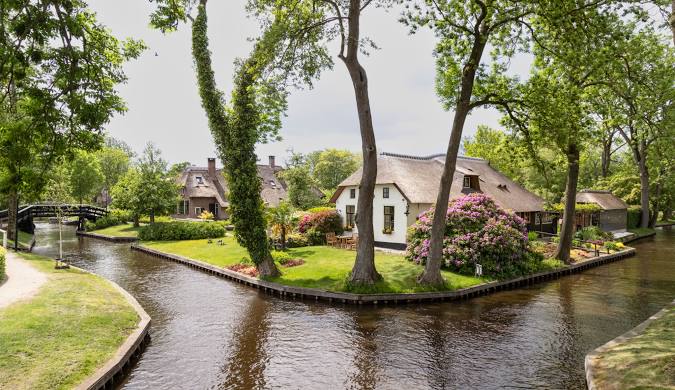
Giethoorn is one of the most charming hidden travel destinations in Europe. Located in the Netherlands, this peaceful village is famous for something very unusual—it has no roads. Instead of cars and buses, the entire village is connected by canals, small bridges, and walking paths.
Often called the “Dutch Venice,” Giethoorn offers a fairytale-like atmosphere that feels completely different from the busy cities of Amsterdam or Rotterdam. Visitors move around the village using small boats known as “whisper boats,” which glide quietly through the canals. The peaceful sound of water and birds creates an incredibly relaxing environment.
One of the most fascinating aspects of Giethoorn is its traditional architecture. The village is filled with beautiful thatched-roof cottages that look like they came straight out of a storybook. Many of these houses are surrounded by gardens, flowers, and wooden bridges connecting them across the canals.
There are several wonderful things to do while visiting this hidden destination. Travelers can rent a small boat and explore the canals themselves, which is one of the best ways to experience the village. Cycling around the surrounding countryside is also very popular because the area is filled with scenic nature trails and peaceful farmland.
Visitors can also explore local museums, such as Museum Giethoorn ’t Olde Maat Uus, which provides insight into the village’s history and traditional lifestyle. Small cafes and restaurants along the canals offer delicious Dutch dishes and local snacks.
The best time to visit Giethoorn is during the spring and summer months when flowers bloom and the weather is pleasant. During these seasons, the village looks even more magical as colorful gardens decorate the canal banks.
Although Giethoorn has started gaining popularity in recent years, it still remains one of Europe’s most beautiful hidden travel destinations. For travelers looking to experience a peaceful village surrounded by water and nature, Giethoorn is truly unforgettable.
2. Albarracín, Spain – Spain’s Forgotten Medieval Town
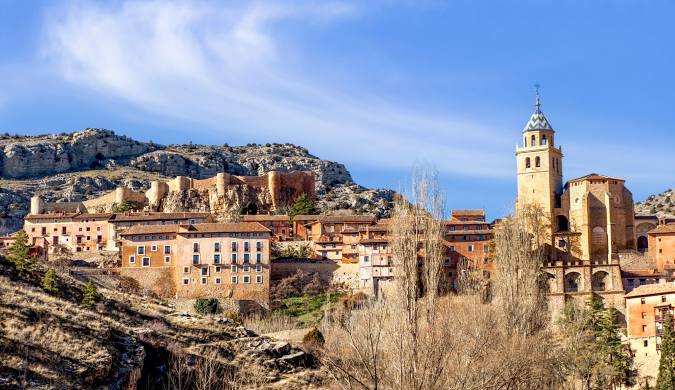
Albarracín is one of Spain’s most stunning yet overlooked hidden travel destinations. Located in the Aragon region, this small medieval town looks like something from another era. With its pink-colored houses, narrow cobblestone streets, and ancient city walls, Albarracín feels like stepping back in time.
Unlike Spain’s famous tourist cities such as Barcelona or Madrid, Albarracín remains relatively unknown to international travelers. This makes it one of the best places to experience Spain’s historic charm without crowds.
The town sits on a hill surrounded by mountains and forests, which adds to its dramatic beauty. Its buildings are constructed in a unique pink-orange color that changes shade depending on the sunlight, creating a stunning visual effect across the entire town.
One of the most famous landmarks in Albarracín is the ancient defensive wall that surrounds the town. Visitors can walk along sections of the wall and enjoy breathtaking views of the surrounding valley. The Albarracín Cathedral is another must-see attraction, featuring beautiful architecture and centuries of history.
Exploring the town itself is a highlight of visiting Albarracín. Its narrow streets twist and turn between historic houses, small shops, and local restaurants. Every corner reveals another picturesque scene perfect for photography.
Food lovers will also enjoy the local cuisine. Traditional Spanish dishes, regional cheeses, and cured meats are common in Albarracín’s restaurants. Because the town receives fewer tourists, many restaurants focus on authentic regional recipes rather than tourist menus.
Spring and autumn are the best times to visit this hidden Spanish gem. The weather is comfortable, and the surrounding countryside becomes especially beautiful during these seasons.
Albarracín proves that some of the world’s most extraordinary hidden travel destinations are waiting quietly in places many travelers overlook.
3. Kotor, Montenegro – Europe’s Underrated Coastal Gem
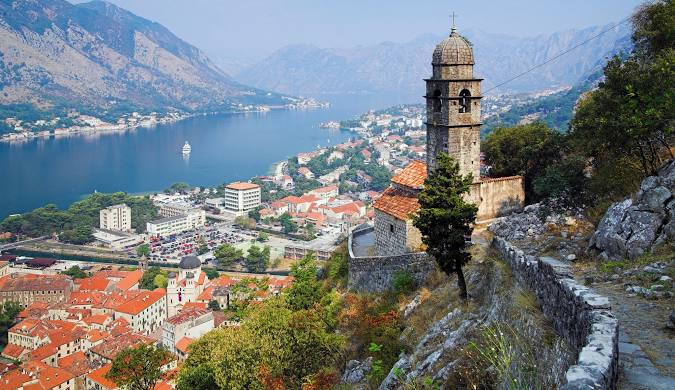
Kotor is one of the most breathtaking yet underrated hidden travel destinations in Europe. Located along the Adriatic coast of Montenegro, this historic town combines dramatic mountain landscapes with medieval architecture and stunning coastal views. While nearby destinations like Dubrovnik in Croatia attract millions of tourists every year, Kotor remains relatively less crowded, making it a perfect place for travelers seeking a quieter European experience.
The town of Kotor sits at the edge of the Bay of Kotor, often considered one of the most beautiful bays in the world. Surrounded by steep mountains and deep blue waters, the scenery here feels almost unreal. The entire old town of Kotor is recognized as a UNESCO World Heritage Site because of its well-preserved medieval architecture and historical importance.
One of the most impressive features of Kotor is its ancient city walls, which climb high into the mountains behind the town. These defensive walls were built centuries ago to protect the city from invaders. Today, visitors can hike up the walls to reach St. John’s Fortress, a historic viewpoint that offers one of the most spectacular panoramic views in Europe. The climb involves more than a thousand steps, but the view from the top is absolutely worth the effort.
Walking through Kotor’s old town is like stepping into the past. The narrow stone streets, historic squares, and old churches create a charming atmosphere that feels both peaceful and mysterious. Travelers often spend hours simply wandering through the small alleys, discovering hidden cafes, art shops, and quiet corners filled with history.
Another highlight of visiting Kotor is exploring the Bay of Kotor itself. Boat tours around the bay allow visitors to see picturesque coastal villages, small islands, and historic monasteries surrounded by crystal-clear water. One popular stop during these tours is the island of Our Lady of the Rocks, a small artificial island built centuries ago by local sailors.
Food and culture are also important parts of the travel experience in Kotor. Local restaurants serve fresh seafood, Mediterranean dishes, and traditional Montenegrin cuisine. Because the region blends influences from Italy, Greece, and the Balkans, the food is rich in flavor and variety.
The best time to visit Kotor is during late spring or early autumn. During these months the weather is pleasant and the town is not overwhelmed by summer cruise ship crowds. This allows visitors to fully enjoy the peaceful atmosphere that makes Kotor one of Europe’s most impressive hidden travel destinations.
For travelers looking for a destination that offers history, natural beauty, and coastal charm without massive crowds, Kotor is an unforgettable place to explore.
4. Shirakawa-go, Japan – A Fairytale Village in the Mountains
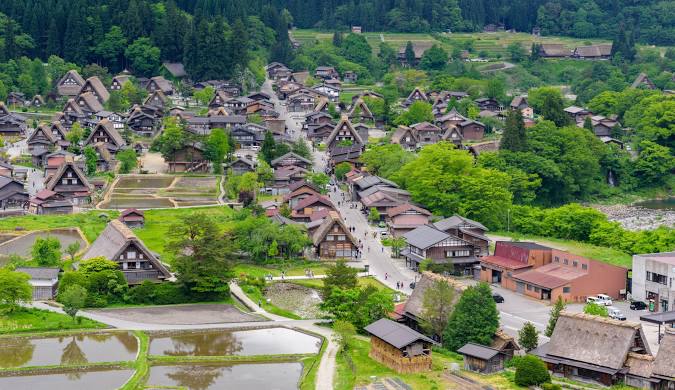
Among the most magical hidden travel destinations in Asia is Shirakawa-go, a small mountain village located in central Japan. This picturesque location is famous for its traditional houses known as gassho-zukuri, which feature steep thatched roofs designed to withstand heavy snowfall during winter.
The unique architecture of Shirakawa-go makes the village look like something out of a fairytale. The triangular roofs resemble hands pressed together in prayer, which is actually what the term “gassho” means in Japanese. These houses are centuries old and were carefully designed to survive the region’s harsh winters.
Shirakawa-go is surrounded by mountains, forests, and rice fields, creating a peaceful landscape that changes beautifully with each season. In spring, the area becomes green and vibrant with blooming flowers. Summer brings warm weather and lush nature, while autumn paints the surrounding forests with stunning red and orange colors.
However, winter is when Shirakawa-go becomes truly magical. Heavy snowfall covers the village in a thick white blanket, transforming it into one of the most breathtaking hidden travel destinations in the world. During certain winter nights, the village hosts a special illumination event where the snow-covered houses are lit up, creating an unforgettable scene.
Visitors to Shirakawa-go can explore several traditional farmhouses that have been converted into museums. These houses display historical farming tools, clothing, and everyday items that show how local families lived hundreds of years ago.
Another unique experience in Shirakawa-go is staying overnight in a traditional farmhouse guesthouse known as a minshuku. These accommodations allow travelers to experience Japanese hospitality while enjoying homemade local meals prepared by host families.
Hiking and photography are also popular activities in the area. Several scenic viewpoints provide panoramic views of the village and the surrounding mountains. One of the most famous viewpoints is the Shiroyama Observation Deck, which offers a stunning aerial perspective of the entire village.
Despite its beauty, Shirakawa-go still remains one of Japan’s lesser-known hidden travel destinations compared to famous cities like Tokyo, Kyoto, and Osaka. For travelers looking to experience traditional Japanese culture in a peaceful natural setting, this village offers a truly unforgettable journey.
5. Raja Ampat, Indonesia – A Secret Paradise for Nature Lovers
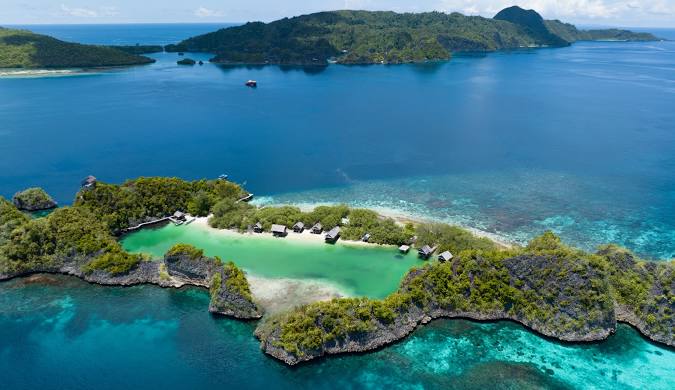
Raja Ampat is widely considered one of the most extraordinary hidden travel destinations on Earth. Located in the remote region of West Papua in Indonesia, this tropical paradise consists of more than 1,500 small islands surrounded by turquoise water, coral reefs, and untouched nature.
The name Raja Ampat means “Four Kings,” referring to the four main islands in the region. Despite its incredible natural beauty, this destination remains relatively unknown to mass tourism because of its remote location and limited accessibility.
Raja Ampat is especially famous for its marine biodiversity. Scientists believe the region contains some of the richest coral reef ecosystems in the world. According to marine research studies, Raja Ampat is home to more than 1,500 species of fish and hundreds of coral species, making it one of the best diving destinations on the planet.
For travelers who love underwater adventures, Raja Ampat offers an unmatched experience. Scuba diving and snorkeling allow visitors to explore vibrant coral reefs filled with colorful fish, sea turtles, manta rays, and many other marine creatures. The clear water and healthy coral ecosystems create an underwater world that feels almost untouched by human activity.
Even above the water, the scenery is breathtaking. Small green islands rise dramatically from the turquoise sea, forming one of the most iconic tropical landscapes in the world. Many travelers hike to viewpoints such as Piaynemo or Wayag Island to enjoy panoramic views of the scattered island formations.
Island hopping is another popular activity in Raja Ampat. Travelers can explore hidden beaches, lagoons, and caves across the region’s many islands. Because tourism is still developing here, many beaches remain completely empty, offering a rare sense of solitude.
Local communities in Raja Ampat also play an important role in protecting the environment. Many villages work closely with conservation programs to preserve the coral reefs and wildlife in the area. Sustainable tourism practices help ensure that this natural paradise remains protected for future generations.
The best time to visit Raja Ampat is between October and April when the sea conditions are calmer and visibility for diving is excellent. While reaching Raja Ampat requires several flights and boat transfers, the journey is well worth it for travelers seeking one of the world’s most spectacular hidden travel destinations.
For nature lovers, photographers, and adventure travelers, Raja Ampat offers an unforgettable experience that few places on Earth can match.
Also read: Top 50 Global Travel Places You Must Visit
Why Hidden Travel Destinations Offer Better Travel Experiences
Travel is not only about visiting famous landmarks or taking photos at well-known tourist attractions. For many travelers, the most memorable journeys happen in places that are quiet, authentic, and less explored. This is exactly why hidden travel destinations are becoming increasingly popular among modern travelers. These places provide experiences that feel more personal, meaningful, and unique compared to overcrowded tourist hotspots.
One of the biggest advantages of visiting hidden destinations is the absence of massive crowds. Popular tourist cities often struggle with overtourism, where millions of visitors arrive each year. This can lead to long lines, crowded streets, and a rushed travel experience. Travelers may spend more time waiting than actually enjoying the destination. In contrast, hidden travel destinations allow visitors to explore comfortably, take their time, and truly absorb the surroundings.
Another major benefit of hidden destinations is the opportunity to experience authentic local culture. In heavily visited tourist cities, local traditions are sometimes adjusted to meet tourist expectations. Restaurants may focus on international menus rather than regional cuisine, and cultural performances can become more commercialized. However, in lesser-known destinations, travelers often experience traditions exactly as locals practice them. This creates a deeper connection with the culture and history of the place.
Hidden destinations also tend to be more affordable compared to popular tourist locations. Famous cities usually have higher hotel prices, expensive restaurants, and costly attractions because of high demand. On the other hand, many hidden travel destinations still maintain reasonable prices for accommodation, food, and activities. Travelers can often enjoy high-quality experiences while spending significantly less money.
Nature lovers particularly benefit from exploring hidden places. Many of these destinations are surrounded by untouched landscapes such as forests, mountains, lakes, or islands that have not been heavily developed for tourism. Because they receive fewer visitors, these natural environments remain clean and well preserved. Activities like hiking, diving, kayaking, or wildlife observation often feel more immersive in these quiet settings.
Another important aspect is the sense of discovery that hidden destinations offer. Visiting famous landmarks can be exciting, but those experiences are often predictable because millions of people have seen them before. When travelers visit hidden travel destinations, they often feel like explorers discovering something special that many others have not yet experienced. This sense of uniqueness makes the journey far more memorable.
Hidden destinations also encourage slower travel. Instead of rushing from one attraction to another, visitors tend to spend more time exploring neighborhoods, interacting with locals, and enjoying everyday moments. Whether it is sitting in a small café, walking through a quiet village, or watching the sunset from a scenic viewpoint, these simple experiences often become the highlights of the trip.
In addition, tourism in lesser-known locations can benefit local communities. Smaller towns and villages often depend on tourism as a source of income, but they do not receive the same number of visitors as famous cities. When travelers choose hidden destinations, they support local businesses such as family-run hotels, local restaurants, and community guides. This type of tourism can help local economies grow while preserving cultural traditions.
Modern travelers are also becoming more conscious about sustainability. Large-scale tourism can place significant pressure on infrastructure, natural resources, and local environments. By visiting hidden travel destinations, travelers distribute tourism more evenly across different regions, reducing the impact on heavily visited cities.
Another reason these destinations offer better travel experiences is the opportunity for meaningful interactions with local people. In busy tourist hubs, interactions with locals are often limited because businesses are designed for high-volume visitors. In smaller destinations, however, travelers frequently engage directly with residents, learning about local stories, traditions, and everyday life. These interactions create genuine cultural exchange that enriches the entire travel experience.
Photography and content creation also become more exciting in hidden locations. Famous landmarks are often photographed thousands of times each day from the same angles. Hidden destinations, however, offer fresh perspectives and unique scenery that allow travelers to capture original moments. Whether it is a quiet mountain village, an untouched beach, or a historic town square, these places provide stunning visuals that feel new and authentic.
Exploring hidden places also brings a sense of adventure. Travelers often enjoy the excitement of discovering locations that are not yet widely known. The journey itself can feel more rewarding because it involves curiosity, exploration, and a willingness to go beyond the typical tourist routes.
As global tourism continues to grow, many travelers are beginning to realize that the most fulfilling journeys are not always found in the most famous places. Instead, they are found in the quiet corners of the world where culture, nature, and history still exist in their purest forms. This is why hidden travel destinations are becoming the preferred choice for travelers who want more than just a typical vacation.
The five destinations explored in this guide—Giethoorn, Albarracín, Kotor, Shirakawa-go, and Raja Ampat—demonstrate how incredible these lesser-known places can be. Each of them offers stunning landscapes, rich culture, and unforgettable experiences without the overwhelming crowds found in major tourist cities.
Traveling to these locations reminds us that the world is full of extraordinary places waiting to be discovered. While famous landmarks will always have their appeal, the true magic of travel often lies in exploring the hidden corners of the planet where unforgettable memories are quietly waiting to be made.
Also read : Top 10 Events in the United States This January
