In 2026, travel has become a double-edged sword. While we are more connected than ever, the world’s most iconic landmarks are often obscured by a sea of selfie sticks, synchronized drone swarms, and the low hum of tour bus exhausts. We’ve reached a tipping point where “must-see” lists have become “must-avoid” zones for anyone seeking an authentic connection to a place.
For many, the definition of a “dream vacation” has fundamentally shifted. It’s no longer about the social currency of ticking off the Eiffel Tower, the Colosseum, or a crowded Balinese swing. Instead, it’s about the rare, quiet luxury of hearing your own footsteps on a cobblestone street. It’s the desire to look at a horizon and see a landscape, not a crowd.
The Rise of “Quiet Travel”
If you find yourself recoiling at the thought of a packed cruise terminal or a “hidden gem” that already has three million tags on Instagram, you aren’t alone. We are witnessing the rise of the Introverted Traveler—those who prioritize headspace over highlights. The modern traveler’s greatest challenge isn’t finding a flight; it’s finding a sanctuary.
This isn’t about being a hermit; it’s about reclaiming the serendipity of discovery. When a destination is over-curated and over-crowded, the “surprises” are gone. Everything is pre-vetted, pre-photographed, and pre-packaged. To truly experience a culture, you need room to breathe.
Why Some Places Remain “Unspoiled”
In this guide, we’ve bypassed the traditional tourist traps to identify the best places to travel if you hate crowds. But we aren’t just looking for empty spots on a map. We’ve selected destinations that remain quiet for specific, sustainable reasons:
- Geography: They are tucked behind mountain ranges or across temperamental seas that act as a natural filter.
- Intentionality: Communities that have consciously chosen “slow tourism” over high-volume profits.
- The “Hype” Vacuum: Places that offer immense beauty but lack the specific “Instagrammable” gimmicks that attract the masses.
These are destinations where the silence is intentional, and the experience is still yours to define.
Here is an expanded, deep-dive exploration of Tetouan, Morocco, designed to emphasize its quiet, artistic nature compared to its more famous neighbors.
1. Tetouan, Morocco: The Artistic Escape from the Blue City Rush
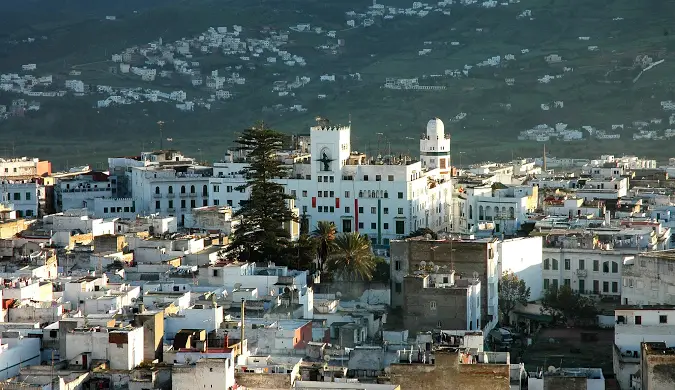
While the “Blue City” of Chefchaouen has become a permanent fixture on every traveler’s Morocco bucket list, its sister city, Tetouan, remains refreshingly ignored by the mass-market tour buses. Located just 60 kilometers away at the foot of the Rif Mountains, Tetouan offers all the architectural drama and historical depth of Northern Morocco without the human gridlock.
If Chefchaouen is a curated postcard, Tetouan is an unedited masterpiece. Known as “The White Dove” (Hamama in Arabic), the city is a striking landscape of white-washed buildings that seem to cling to the slopes of Jebel Dersa, overlooking the lush Martil Valley.
Why it stays uncrowded: The Lack of “Instagram Bait.”
Tetouan lacks the one thing that draws modern crowds: a gimmick. It doesn’t have the neon-blue paint of Chefchaouen or the high-octane chaos of Marrakech’s Jemaa el-Fnaa. It is a working city, not a tourist museum. Because its beauty is subtle—found in the geometric precision of a doorway or the smell of cedarwood in a quiet alley—it fails to attract the “hit-and-run” tourists who only visit places for a 15-second video.
Furthermore, its history acts as a natural filter. As the former capital of the Spanish Protectorate, Tetouan has a unique Hispano-Moorish identity that many casual travelers find confusing. They want “traditional” Morocco; Tetouan gives them a sophisticated, multicultural blend that requires time and patience to appreciate.
The Quiet Experience: Authenticity in the Alleys
The Medina of Tetouan is a UNESCO World Heritage site and is widely considered the most complete medina in Morocco. Unlike the sprawling, overwhelming mazes of Fez, Tetouan’s old city feels intimate.
- The Artisanal Heart: Head to Bab el-Okla and enter the artisan quarters. Here, you can watch students at the Dar Sanaa (School of Arts and Crafts) practicing centuries-old techniques in wood-carving and embroidery. There are no “hard sells” here; you are witnessing the preservation of a culture, not a sales pitch.
- The Spanish Quarter (Ensanche): Step out of the Medina and into the 20th century. The Ensanche district features wide, white boulevards, Art Deco buildings, and quiet plazas like Place Moulay El Mehdi. It feels more like a sleepy neighborhood in Madrid than a North African hub.
- The Melah (Jewish Quarter): One of the best-preserved in the country, the Melah offers narrow streets with distinct architectural details that differ from the rest of the Medina, providing a peaceful walk through the city’s pluralistic past.
Practical Insights for the Crowd-Averse
- Quiet Neighborhood: Look for a Riad near the Royal Palace or within the Harat al-Balad (the oldest part of the Medina). These areas are residential and incredibly quiet after sunset.
- Best Season: Visit in late April or May. The Rif Mountains are vibrant green, the air is cool, and you beat the summer humidity that brings local Moroccan tourists to the nearby coasts.
- Realistic Expectations: English is less common here than Spanish and French. Learning a few basic Arabic or Spanish phrases will go a long way. Also, many of the best local restaurants are “hole-in-the-wall” spots that don’t have websites—follow your nose to the smell of fresh harira soup.
2. Gifu Prefecture, Japan: Silence Like Snowfall
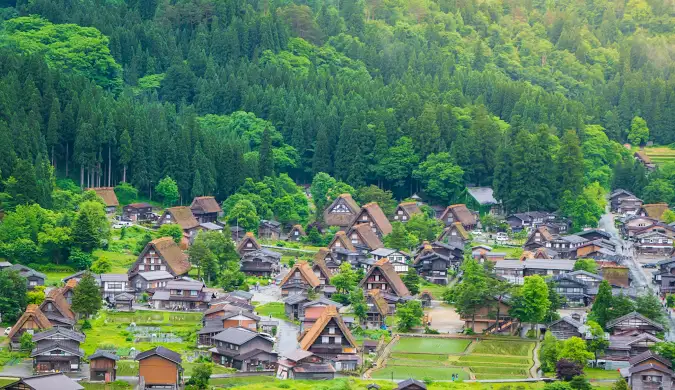
In 2026, Japan is facing a paradox: the “Golden Route” (Tokyo-Kyoto-Osaka) is more crowded than ever, yet just a few hours north, the mountainous heart of Gifu Prefecture remains a sanctuary of profound quiet. While Takayama has gained some recognition, the surrounding region offers a level of serenity that feels like a well-kept secret among locals.
Gifu is the Japan you see in woodblock prints—steep-roofed farmhouses, mist-covered cedar forests, and rivers so clear you can see the pebbles on the bottom from a bridge.
Why it stays uncrowded: The Alpine Filter
Geography is Gifu’s greatest guardian. The Japan Alps act as a natural barrier, requiring a bit more “travel intentionality” to navigate. While Kyoto is easily accessible by a single Shinkansen line, reaching the quietest corners of Gifu—like Gujō Hachiman or Hida Furukawa—requires local train transfers and scenic bus rides. This logistical “extra step” naturally filters out the mass-market tour groups who prefer the efficiency of the southern cities.
The Quiet Experience: Living by the Water
In Gifu, “Quiet Travel” isn’t just about a lack of people; it’s about a different kind of noise. In the town of Gujō Hachiman, the dominant sound is the constant, melodic rushing of water. The town is famous for its ancient canal system, where locals still wash vegetables and laundry in communal stone basins called mizu-bune.
- Gujō Hachiman: This “Water City” is a masterclass in stillness. Walk along the Igawa Lane, where massive koi fish swim in the canals running directly alongside the houses. On a Tuesday morning, you might be the only person on the street.
- Hida Furukawa: Often called the “quiet sister” of Takayama, this town features the same beautiful Edo-period merchant houses but with 90% fewer tourists. It’s a place where you can spend an hour in a century-old candle shop watching a master craftsman work in total silence.
- Jion-ji Temple: Skip the famous temples of Kyoto and sit on the tatami mats of Jion-ji in Gujō. Its Zen garden features a “water harp” (suikinkutsu)—an underground chamber that creates bell-like echoes when water drops fall into it. It is the literal sound of peace.
Practical Insights for the Crowd-Averse
- Quiet Neighborhood: Stay in a Minshuku (family-run guesthouse) in Hida Furukawa rather than a large hotel in Takayama. You’ll get a hyper-local experience and a silent night’s sleep.
- Best Season: Late May. The peak cherry blossom crowds have vanished, but the mountains are a vibrant, lush green. Alternatively, visit in February for a “Snow Country” experience where the heavy snowfall muffles all sound, though you’ll need to be prepared for the cold.
- Crowd-Avoidance Tip: If you visit the UNESCO site of Shirakawa-go, book an overnight stay in a gassho-zukuri (thatched-roof house). The day-trippers leave by 4:00 PM, and for the next 15 hours, the village belongs only to the residents and the few lucky guests.
3. The Faroe Islands: For Those Who Prefer Sheep to People
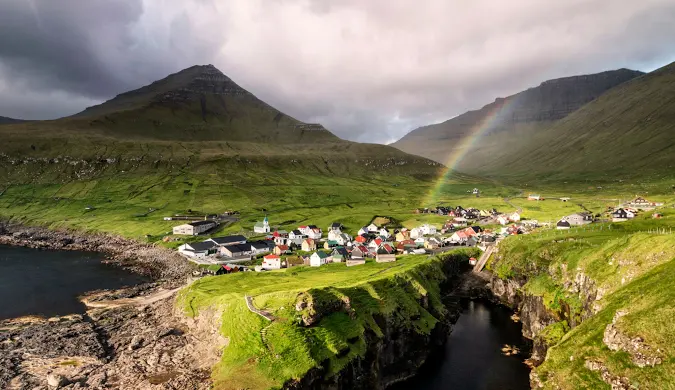
If your idea of a travel nightmare is a crowded beach with a “first-come, first-served” towel policy, the Faroe Islands are your sanctuary. This North Atlantic archipelago, located halfway between Norway and Iceland, is a place where nature still dictates the terms of engagement. It is a land of vertical basalt cliffs, grass-roofed houses that look like they belong in a Tolkien novel, and a population of 80,000 sheep that vastly outnumbers the 54,000 human residents.
Also Read: Best Places for Digital Nomads in 2026 (Top Cities)
Why it stays uncrowded: The Logistical and Literal Filter
The Faroe Islands have avoided the “Iceland Effect” (massive over-tourism) through a combination of geography and proactive management. First, the weather is famously moody; the islands are often shrouded in a thick, ethereal fog that can ground flights for hours. This unpredictability keeps the casual “sun and sand” tourists far away.
Secondly, the Faroese government is a pioneer in sustainable tourism. Every year, they famously “close” the islands for a weekend in the spring for their “Closed for Maintenance” project. During this time, major sights are off-limits to general tourists, and only a small group of pre-registered volunteers are allowed in to help repair hiking trails and preserve the delicate ecosystem. This message is clear: the islands are to be respected, not just consumed.
The Quiet Experience: The Sound of the North Atlantic
In the Faroes, silence is a physical presence. Because there is very little forest, there is no rustling of leaves—only the sound of the wind, the cry of a puffin, and the distant roar of a waterfall hitting the ocean.
- Gjógv: This village, named after a 200-meter-long sea-filled gorge, is the definition of “end of the road” tranquility. You can sit on a bench overlooking the gorge and watch the Atlantic waves roll in for hours without another soul passing by.
- The Hike to Kallur Lighthouse: While this is one of the more famous spots, “crowded” here means seeing five other people in three hours. The view from the lighthouse—a tiny white structure perched on a jagged ridge—offers a 360-degree panorama of the surrounding islands that makes you feel like the last person on Earth.
- Tjørnuvík: A tiny village tucked into a deep bay with a black sand beach. It is so quiet that you can hear the “singing” of the pebbles as the tide retreats. It’s a place where a local might invite you into their home for a waffle and coffee, simply because they haven’t seen a new face all day.
Practical Insights for the Crowd-Averse
- Best Season: September. The peak summer bird-watchers have departed, but the days are still long enough for hiking. The hills turn a deep, rusted gold, and the dramatic autumn storms begin to brew, making for incredible photography.
- Quiet Neighborhood: Stay in a small guesthouse in Sandavágur or Viðareiði. These villages offer immediate access to world-class hiking right from your doorstep, bypassing the “hub” of the capital entirely.
- Realistic Expectations: Everything is expensive, and nothing is fast. You will spend a lot of time waiting for a ferry or for a fog bank to clear. In the Faroes, the wait is the vacation.
4. Alentejo, Portugal: The “Slow Food” Alternative to the Algarve
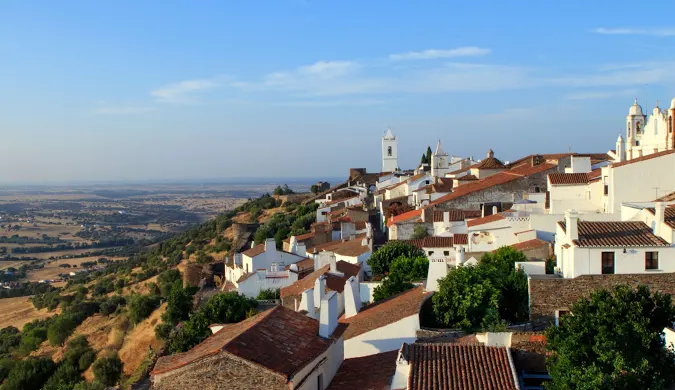
While the Algarve’s beaches are a mosaic of umbrellas and Lisbon’s hills are thick with tuk-tuks, the Alentejo region remains Portugal’s quiet, rustic soul. Covering nearly a third of the country but housing only 7% of its population, this is a land of vast golden plains, ancient cork forests, and medieval hilltop towns that have stood unchanged for centuries.
Why it stays uncrowded: The Beauty of the “In-Between”
Alentejo suffers from being “in-between.” It’s between the famous capital and the famous southern coast. Most tourists simply drive through it at 120 km/h on the highway. Additionally, the summer heat inland can be intense, which naturally deters those who aren’t prepared for the “siesta” lifestyle. The Alentejo doesn’t offer “fast” anything—no fast food, no fast transport, and certainly no fast-track tourist lanes.
The Quiet Experience: Starlight and Stone
The Alentejo is where you go to experience the “luxury of time.” It’s a region where a lunch of açorda (bread soup) and local wine can—and should—last three hours.
- Monsaraz: This hilltop village is a fortified time capsule. Because cars are largely restricted within the walls, the cobblestone streets are eerily quiet. From the castle ramparts, you can look out over the Alqueva Dam, the largest artificial lake in Europe, which looks like a giant blue mirror dropped onto the plains.
- Dark Sky Alqueva: The region is home to the world’s first “Starlight Tourism Destination” certification. Because there is virtually no light pollution, the night sky is so crowded with stars that it’s the only crowd you’ll have to deal with.
- Vila Viçosa: Known as the “Marble City,” everything here—from the doorframes to the cobblestones—is made of local marble. It is a stunningly beautiful, lustrous town that remains inexplicably empty of foreign tourists.
Practical Insights for the Crowd-Averse
- Best Season: October and November. The searing heat of summer is gone, replaced by crisp mornings and warm, golden afternoons. This is also harvest season for the region’s world-class vineyards.
- Quiet Neighborhood: Skip the regional capital, Évora, during the day and stay in a Herdade (farm estate) near Marvão. These converted farmhouses offer total seclusion, often with private pools overlooking olive groves.
- Crowd-Avoidance Tip: If you want the beach, head to the Costa Vicentina. Unlike the Algarve, this coastline is a protected natural park. There are no high-rise hotels, and beaches like Praia da Amália require a short hike to reach, ensuring you’ll share the sand with only a handful of others.
Also Read : Top 5 Scenic Road Trip Around the World
5. Luang Prabang, Laos: A Sanctuary of Saffron and Silence
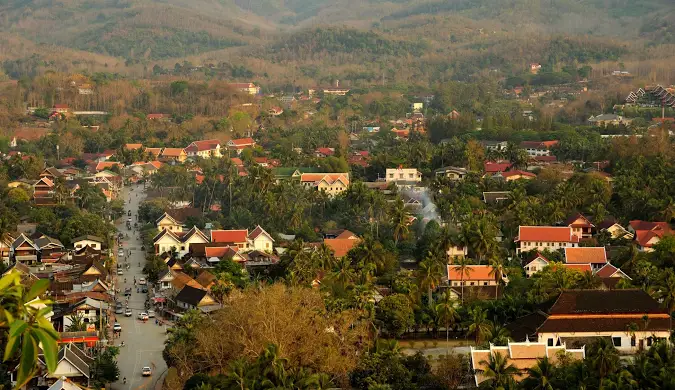
In the race for Southeast Asian tourism, Laos is often the quiet middle child between Thailand and Vietnam. Luang Prabang, a town nestled at the confluence of the Mekong and Nam Khan rivers, is a place where the modern world seems to have lost its volume.
Why it stays uncrowded
Laos is landlocked, and its infrastructure is humbler than its neighbors. While it has gained some popularity, the town’s strict UNESCO heritage rules prevent the construction of high-rise hotels or noisy bars in the historic center, keeping the atmosphere “low-fi.”
The Quiet Experience
The daily alms-giving ceremony (Tak Bat) at dawn is a silent procession of saffron-robed monks. If you avoid the main morning market, you can spend your days wandering between golden temples (Wats) where the only sound is the rhythmic chanting of novices.
- Quiet Neighborhood: Cross the bamboo bridge to the Nam Khan side of town for a more residential, leafy vibe.
- Best Season: February. It’s dry and cool, but the New Year crowds haven’t arrived yet.
- Realistic Expectations: This is not a “party” town. Most businesses close by 11:00 PM, and the “nightlife” usually involves a quiet beer by the river.
Practical Tips for Your Crowd-Free Journey
Finding the best places to travel if you hate crowds requires a change in mindset. Here is how to ensure your 2026 trips stay tranquil:
- The 20-Mile Rule: If a city is famous, stay 20 miles outside of it. You get the local prices and the local peace, with the option to dip into the “hub” for a few hours.
- Mid-Week Magic: Always schedule your arrivals for a Tuesday or Wednesday. Weekend warriors can turn a quiet village into a bustling hub in 24 hours.
- Reverse Your Clock: If a site is popular, visit it an hour before it closes rather than when it opens. Most people rush to beat the crowds at 8:00 AM, creating a “peak” of their own.
Conclusion: The Luxury of Silence
In an age of over-tourism, the ultimate luxury isn’t a five-star hotel—it’s the ability to experience a destination without a crowd of strangers in the background of your memories. By choosing places like Tetouan or the Faroe Islands, you aren’t just “avoiding people”; you are choosing a more intentional, respectful way of seeing the world.
Crowd-free travel allows for the serendipity that mass tourism kills—the chance conversation with a local weaver, the quiet meditation in an empty temple, or the simple joy of a sunset that doesn’t have to be shared with a thousand other cameras.
